Review and Photos by Ali Burman
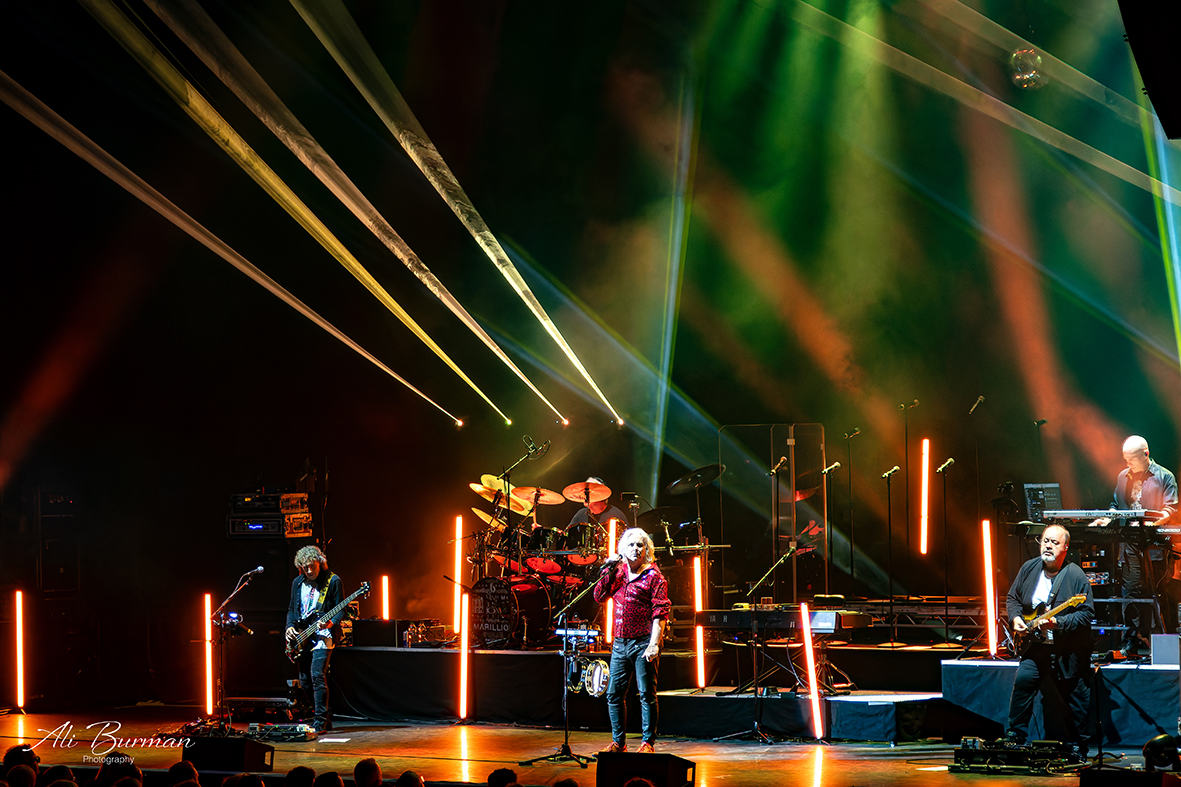
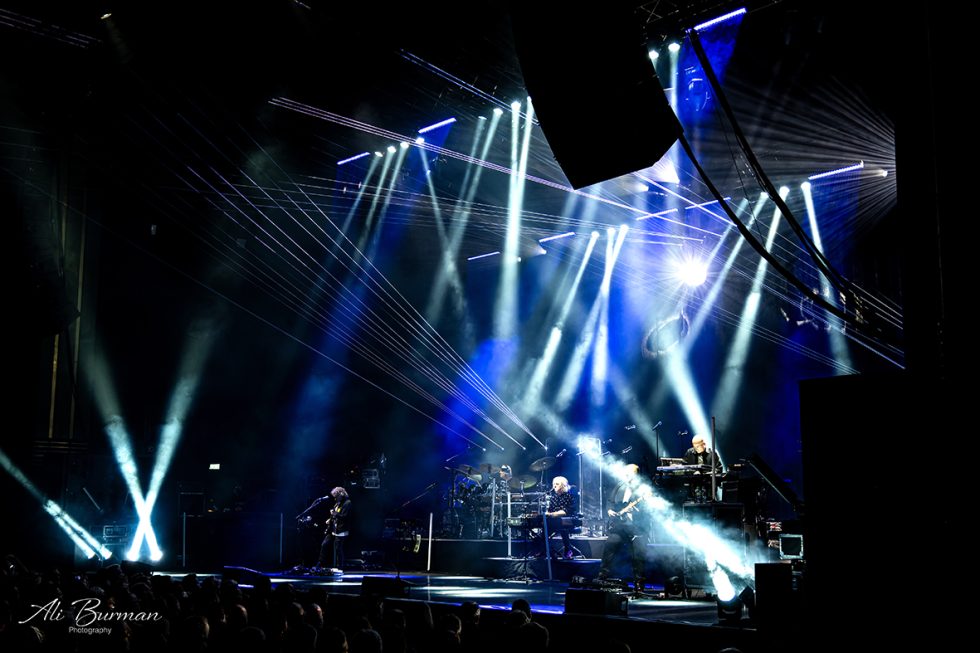
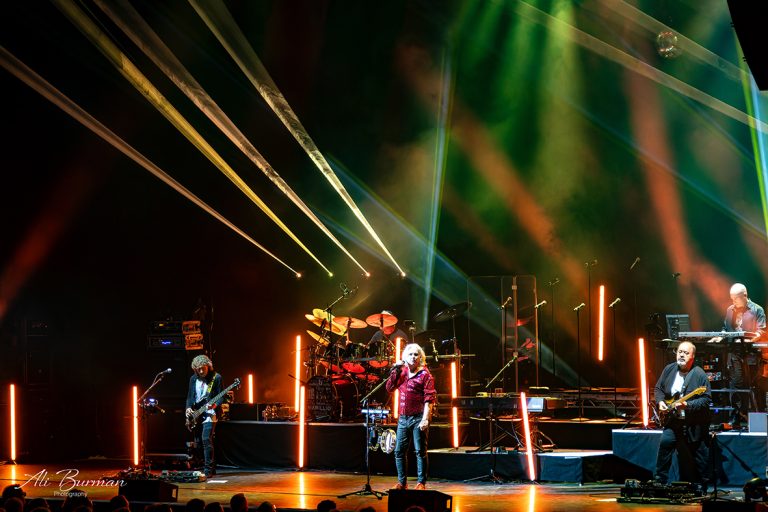
There are bands that tour because they have a back catalogue to revisit, and then there is Marillion. More than four decades into their career, they remain remarkably unwilling to treat the past as a museum piece. At London’s Eventim Apollo on the 1st of October, the first of two Hammersmith shows, that restless spirit was evident from the moment they opened with the atmospheric and challenging “Gaza”.
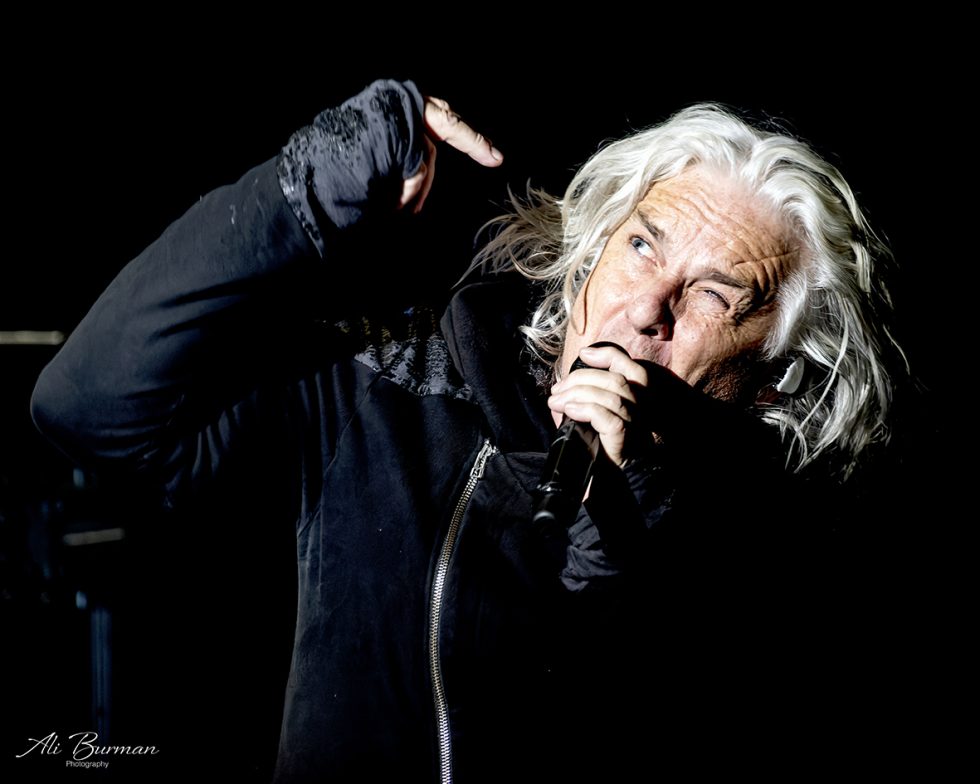
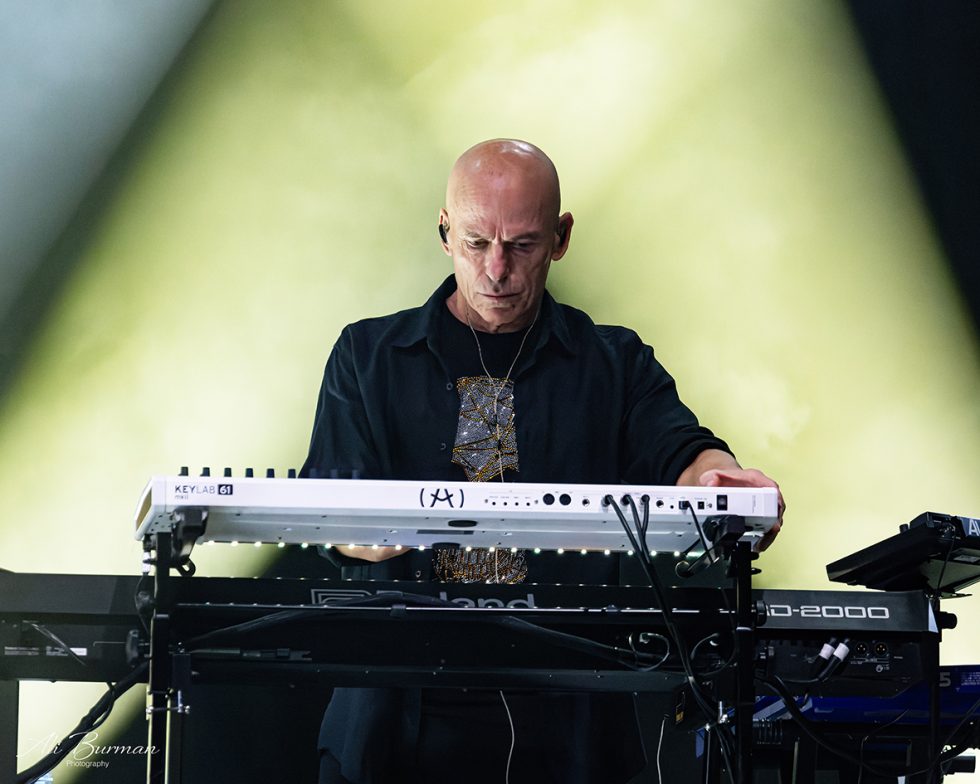
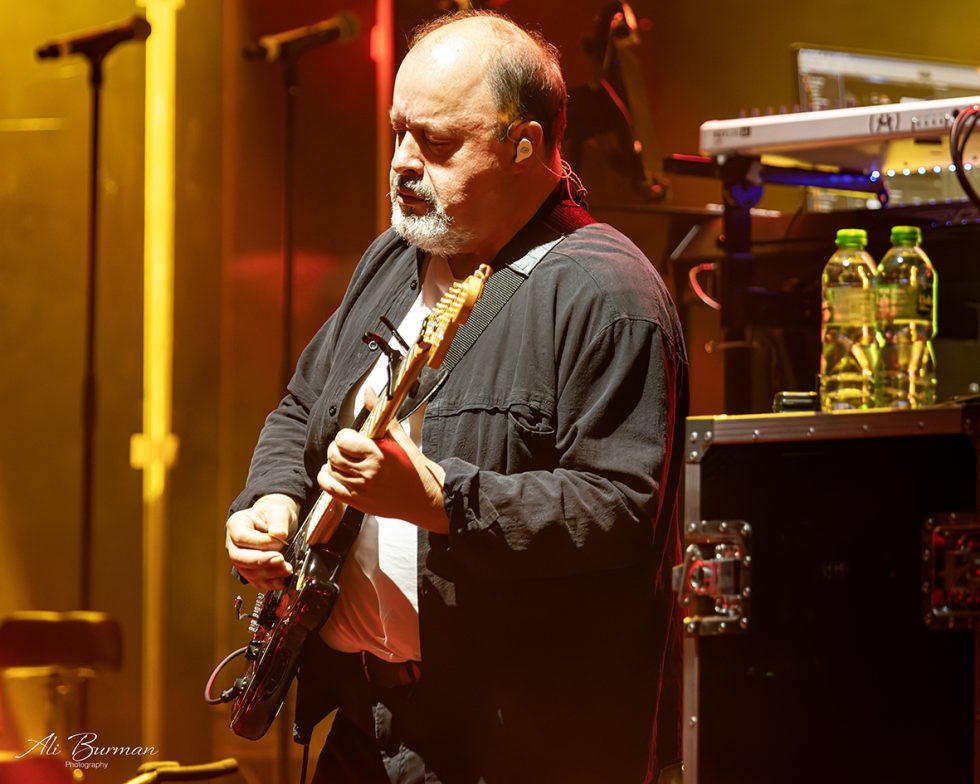
Rather than easing the audience gently into the evening, Steve Hogarth and company immediately established an expansive, cinematic mood, with Steve Rothery’s guitar and Mark Kelly’s keyboards creating an atmosphere as much about texture as rock dynamics.
“Seasons End” and “Ribbons and Lace” were followed by “Hotel Hobbies” and “Sugar Mice”, producing one of the evening’s most memorable moments.
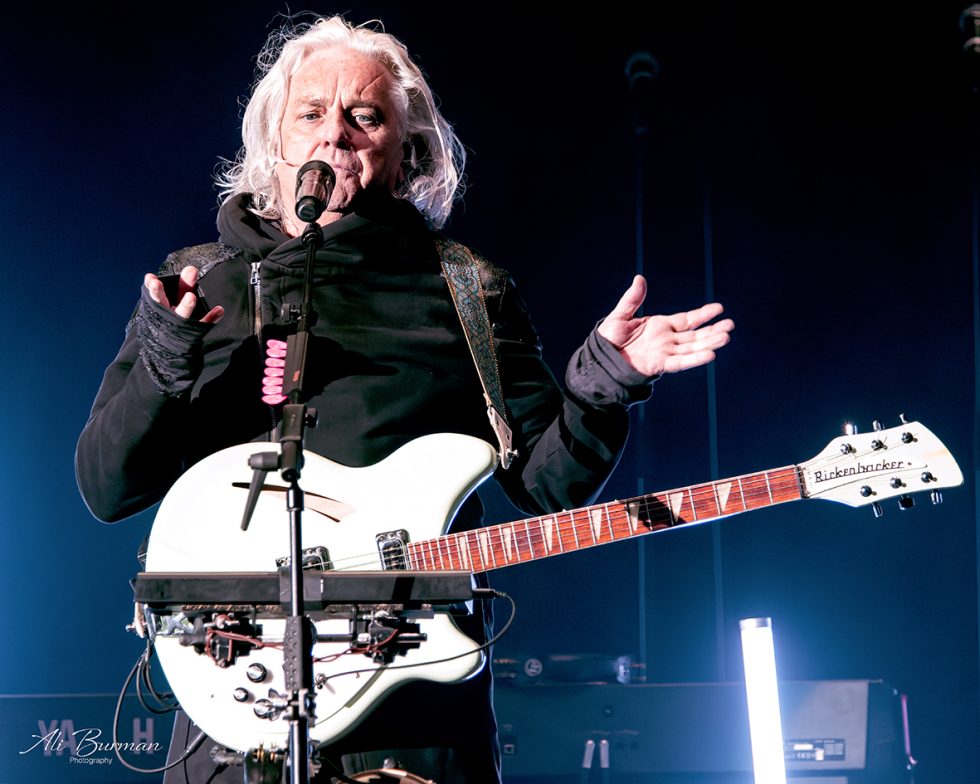
Although led by Hogarth, “Sugar Mice” increasingly belonged to the audience. Thousands of voices inside the Eventim Apollo joined in, with Hogarth allowing the crowd to carry much of the vocal. For several minutes, the audience effectively became another member of the band. It was an extraordinary demonstration of the connection Marillion have forged with their fans.
The song, originally associated with Fish, was another reminder of the band’s ability to revisit their history without becoming trapped by it. There was no attempt to recreate the past; instead, the material has become part of Marillion’s continuing story with Hogarth dedicating the song to Fish.
The performance then moved into the four-part “Care” sequence from An Hour Before It’s Dark: “Maintenance Drugs”, “An Hour Before It’s Dark”, “Every Cell” and “Angels on Earth”. It is testament to Marillion’s confidence that they can devote such a substantial part of a major London concert to challenging, relatively recent material and retain the audience’s complete attention.
Then came another dramatic shift.
As “The Space” began, Marillion were joined on stage by Italian choir Flowing Chords. This was no fleeting guest appearance. The choir remained with the band for the remainder of the performance, including the encore, transforming the sound of the second half and giving the show an extraordinary sense of scale.
The effect was particularly powerful on “Enlightened”, “The Crow and the Nightingale”, “Easter” and “Lucky Man”. The choir never felt like an unnecessary embellishment; instead, its voices became an integral part of the arrangements, adding an almost orchestral dimension to Marillion’s already expansive sound.
“Easter” was a particular highlight. Rothery’s guitar has always possessed an almost vocal quality, and here it seemed to converse with the choir, producing a moment that was both delicate and immense.
Rothery was magnificent throughout. His playing is a masterclass in restraint: rarely a note too many, yet when the guitar needs to rise above the arrangement, it does so with extraordinary emotional force.
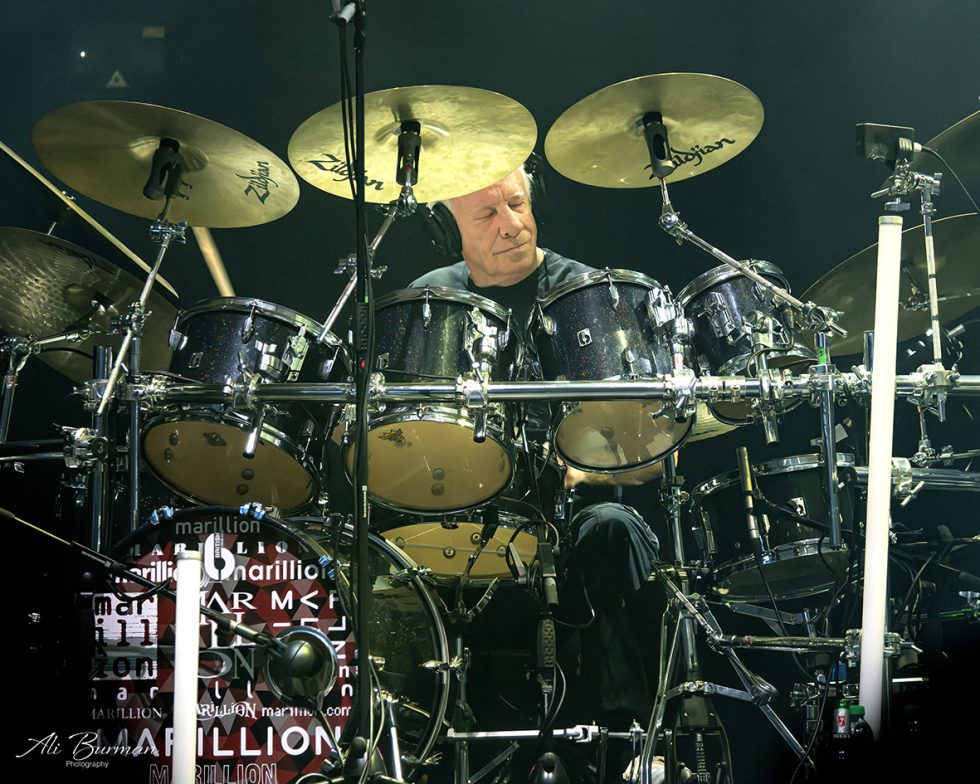
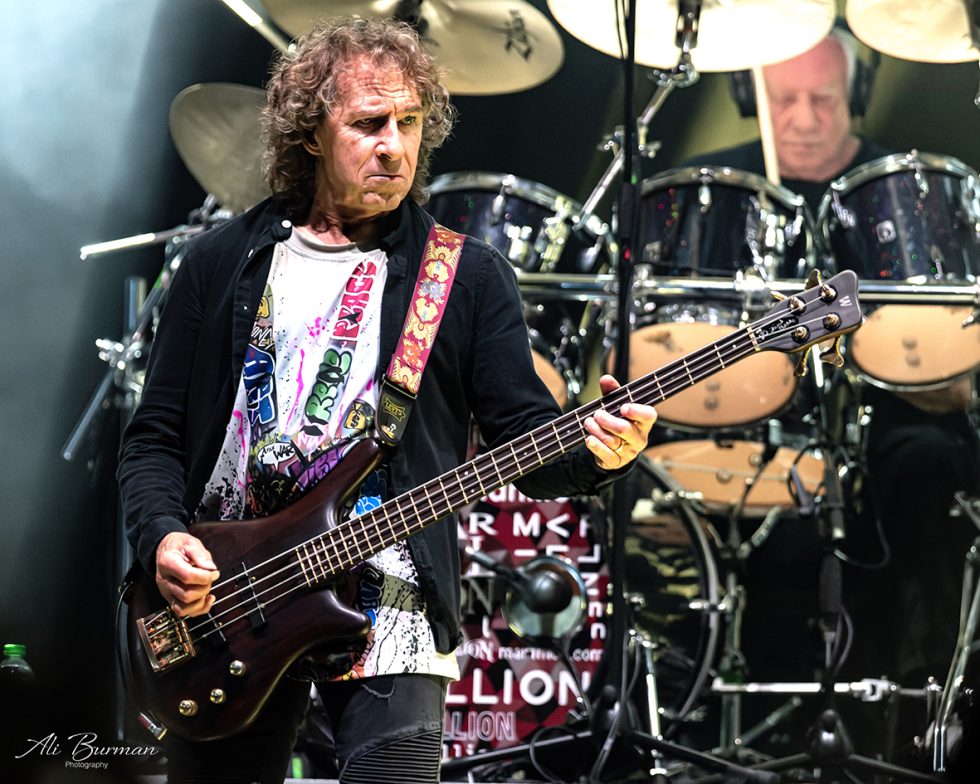
Behind him, Pete Trewavas and Ian Mosley provided the precision and understated power that allow Marillion’s more atmospheric elements to breathe, while Mark Kelly moved effortlessly between delicate textures and grand, orchestral flourishes.
At the centre of it all, Steve Hogarth remained a charismatic and increasingly theatrical presence. Whether prowling the stage, addressing the audience or simply allowing a lyric to carry the moment, he remains an unusual frontman — vulnerable without appearing fragile, theatrical without ever becoming contrived.
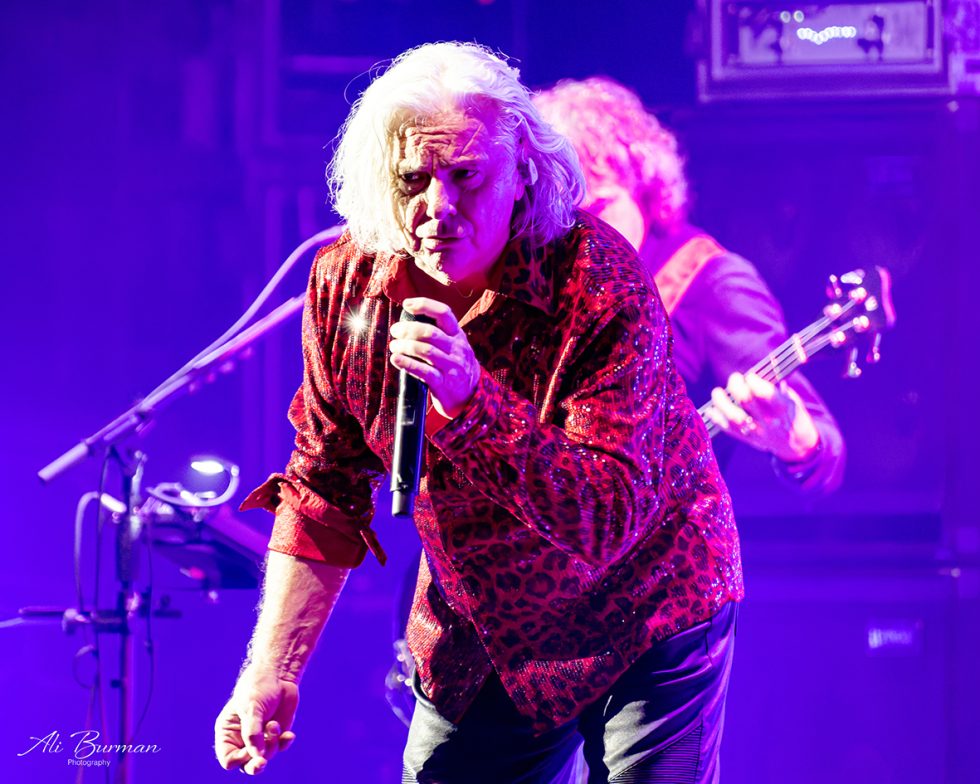
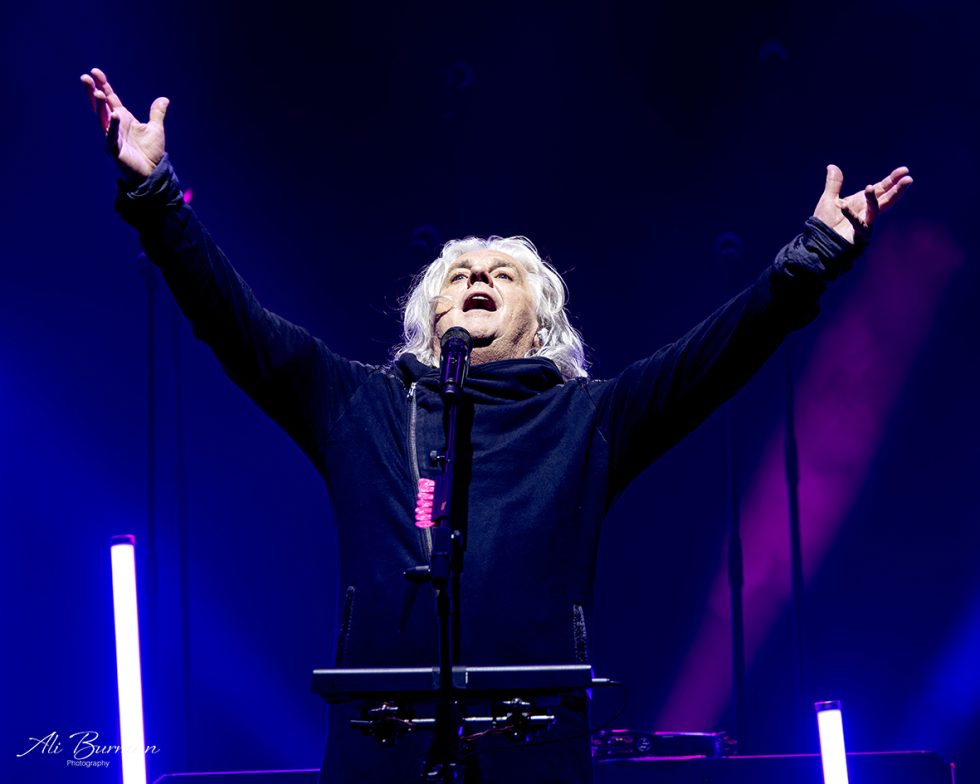
With Flowing Chords still on stage, the performance gathered momentum through “Out of This World”, “Living in F E A R” and “Go!” before the main set reached its dramatic conclusion with “Wave”, “Mad” and “The Great Escape”.
The three songs from Brave demonstrated just how effectively Marillion can transform emotionally demanding material into a genuinely communal live experience. There was no sense of the audience merely watching; they were completely invested in the journey.
The encore maintained that sense of scale. “The Release” provided an atmospheric return before “Man of a Thousand Faces” brought the evening to a triumphant conclusion, with Flowing Chords still an integral part of the performance.
What made the Hammersmith show so impressive was its balance between history and reinvention. This was not a greatest-hits exercise, despite the presence of several much-loved songs. Instead, Marillion demonstrated the extraordinary breadth of their musical vocabulary, moving effortlessly between their past and present while continually pushing their live performance somewhere new.
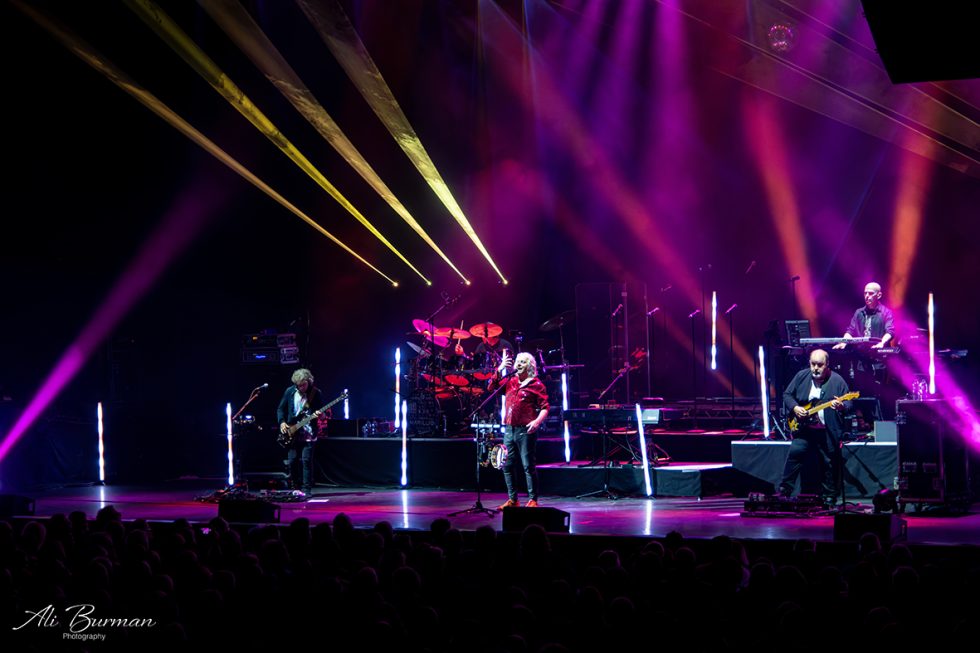
And then there was the audience. From taking over the vocals on “Sugar Mice” to embracing the increasingly ambitious second half, the Hammersmith crowd was never simply a passive recipient of the performance. It was part of it.
At a time when many veteran rock bands are increasingly dependent on nostalgia, Marillion offer something far more valuable: evolution.
They are not simply preserving what they were.
They are still discovering what they can become.
After more than 40 years, that may be their greatest achievement.
Summary:
An extraordinary night of emotion, musicianship and sheer scale. Marillion turned Hammersmith into a choir, a chorus and a celebration of four decades of remarkable music.
Rating: ★★★★★ 9.8/10




+ There are no comments
Add yours