
By Kirsty Middlemist

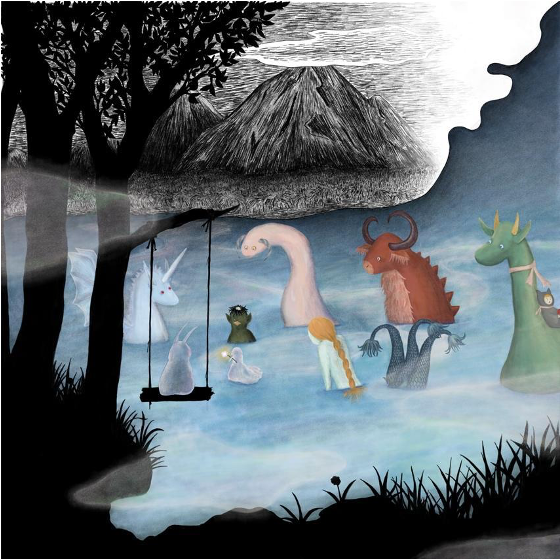
With Songs for the Weary, his second album, Matthew Whitaker delivers a collection of songs that feel tailor-made for quiet corners and unhurried afternoons. From the very first notes, the record establishes itself as a gentle, soothing listening experience — the sort of album you might expect to hear drifting softly through a tastefully decorated, bougie café while baristas craft intricate latte art. It is unashamedly mellow, consistently warm in tone, and deeply committed to cultivating a mood of calm reflection.
The album opens with a brief instrumental piece, a thoughtful choice that eases the listener into Whitaker’s sonic world before any lyrics arrive. This introductory track functions almost like a palate cleanser, or perhaps more fittingly, a deep breath before the first verse. It sets the atmosphere beautifully, allowing the listener to settle into the album’s understated aesthetic. From there, the first full song emerges naturally, maintaining the tranquil mood established in the opening moments.
Across its runtime, Songs for the Weary carries a distinctly lullaby-like quality. The melodies are soft and flowing, the arrangements restrained and delicate. There is very little here that jars or demands attention; instead, the album invites you to lean back and let it wash over you. For listeners who gravitate toward more muscular or rhythmically assertive styles of music, this gentleness may feel almost too effective. At times, the soothing nature of the record borders on the soporific. Yet this is less a criticism than an observation of intent. Whitaker clearly set out to create a comforting space, and in that regard, he succeeds wholeheartedly.
One of the album’s greatest strengths lies in Whitaker’s musicianship. A multi-instrumentalist, he plays many of the instruments himself, giving the record a cohesive and intimate feel. There is a sense of personal craftsmanship running through the arrangements; nothing feels outsourced or impersonal. Each instrumental layer appears carefully considered, contributing to the album’s consistent tone without overwhelming it. This hands-on approach enhances the sincerity that defines the project.
Whitaker’s lyrical style leans toward the poetic, favouring reflective imagery and emotional nuance over grand declarations. The songs feel personal without becoming confessional, thoughtful without straining for profundity. His vocal delivery is particularly striking. There is an unmistakable throwback quality to his voice, reminiscent of classic crooners such as Perry Como and Andy Williams. Like those mid-century vocalists, Whitaker sings with clarity, warmth, and an unforced smoothness that feels increasingly rare in contemporary music. His phrasing is controlled and elegant, allowing the melodies to unfold naturally.
At times, his songwriting evokes the melodic sensibilities of Gilbert O’Sullivan, especially in the way he balances gentle whimsy with emotional sincerity. There is a similar knack for crafting tunes that feel both simple and subtly sophisticated. Whitaker avoids overproduction, allowing melody and voice to remain central throughout.
The album’s closing track stands out as its most ambitious moment. While the record largely maintains a steady emotional register, the finale broadens its scope slightly, building toward something more expansive. In its structure and tonal shift, it brings to mind the sweeping, reflective qualities of “A Day in the Life” by The Beatles. Though Whitaker does not aim for the same dramatic crescendo, there is a comparable sense of culmination — a feeling that the album has been gently leading to this final statement all along.
It is worth acknowledging that Songs for the Weary may not appeal to every listener. Those who prefer a heavier, more dynamic sound might find themselves yearning for greater contrast or rhythmic drive. The album rarely strays from its central mood, and as a result, it can blur into a single extended atmosphere rather than a series of sharply differentiated tracks. Yet for listeners who appreciate a softer, more contemplative style, this consistency will likely be viewed as a strength rather than a limitation.
Ultimately, Songs for the Weary is an inoffensive and genuinely lovely collection of songs. It does not seek to challenge or disrupt; instead, it offers solace and quiet beauty. In a musical landscape often dominated by bombast and urgency, there is something refreshing about a record so comfortable in its own gentleness. While it may not be everyone’s cup of tea, for those inclined toward a tender, understated sound, Matthew Whitaker’s second album will feel like a welcome and soothing companion.
Tracklist
- Overture
- Mind How You Go
- Chestnut Tree
- Lucid Dreamer
- Logan Stone
- For the Weary (ft. Alabaster DePlume)
- A Portrait of the Artist as an Old Man
- Stand up to the Man
UK Tour Dates
Matthew C. Whitaker (HENGE)
with Shunya
14/02/26 – Hyde Park Book Club, Leeds
15/02/26 – Golden Lion, Todmorden
17/02/26 – Kazimier Stockroom, Liverpool
18/02/26 – Leith Depot, Edinburgh
19/02/26 – Cobalt Studios, Newcastle
20/02/26 – Cafe No9, Sheffield
02/03/26 – The Grove, Nottingham
03/03/26 – Barrelhouse, Totnes
04/03/26 – Cornish Bank, Falmouth
05/03/26 – The Jam Jar, Bristol
07/03/26 – MOTH Club, London
08/03/26 – Folklore Rooms, Brighton
10/03/26 – Band on the Wall, Manchester














+ There are no comments
Add yours