Leanne Binder Announces New Album Hellfire & Holy Water,
Arriving February 12th, 2027; Releases Fiery Title Track
After nearly losing her voice at seventeen, the Ohio blues-rock artist channels a lifetime of resilience, reinvention, and hard-won perspective into her most ambitious album yet
Produced by Grammy winner Lee J. Turner, the new record features guitarists Jon Conley (Kenny Chesney) and Audley Freed (The Black Crowes, Sheryl Crow), blending seventies rock, Southern blues, and soul
Listen to “Hellfire & Holy Water” HERE
Pre-save Hellfire & Holy Water HERE
 |
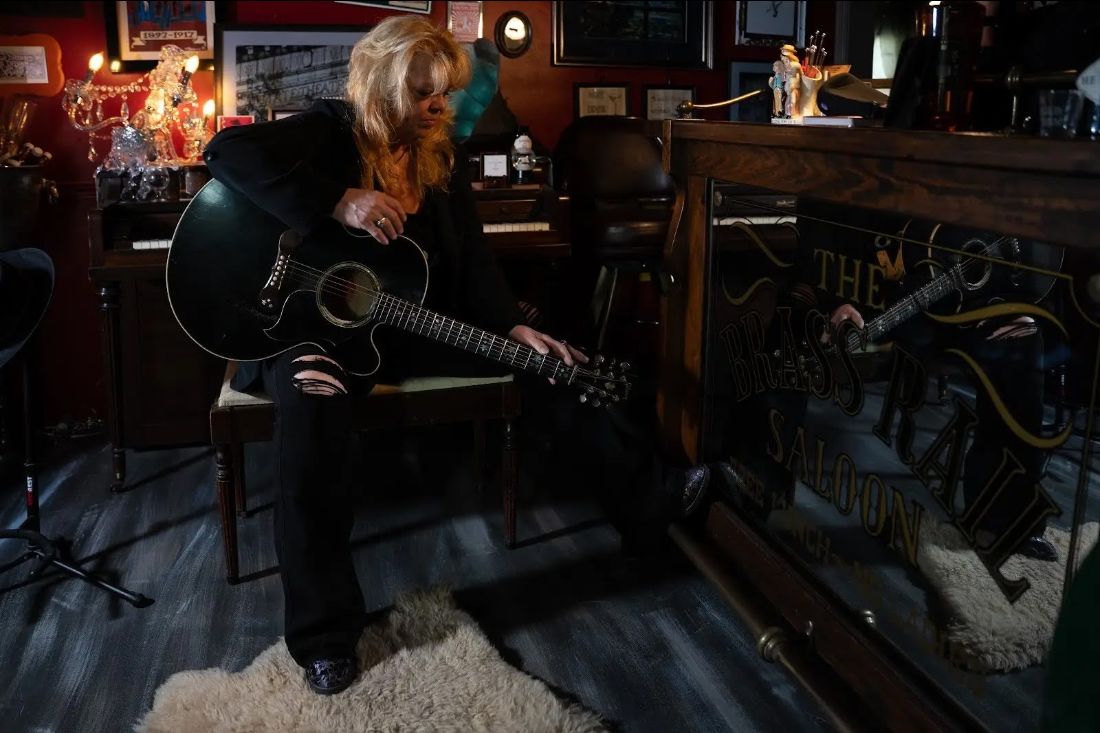
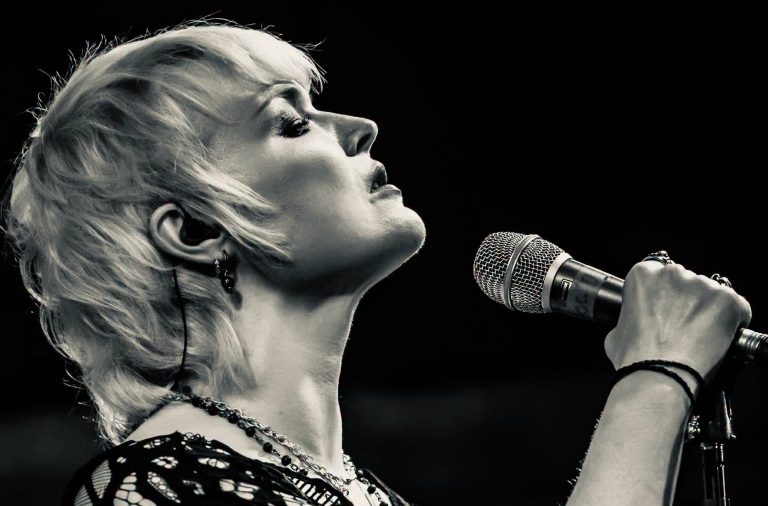
| Singer-songwriter Leanne Binder has announced the February 12th release of her new album, Hellfire & Holy Water, alongside the arrival of its lead single and title track, available now on all major streaming platforms. Produced by Grammy winner Lee J. Turner and featuring a Nashville-based group of musicians that includes guitarists Jon Conley (Kenny Chesney) and Audley Freed (The Black Crowes, Sheryl Crow), the album brings together muscular, seventies-inspired guitars, Southern blues grooves, and deeply personal songwriting. For the Youngstown, Ohio-raised artist, whose career has been defined by extraordinary perseverance and a lifelong commitment to making music on her own terms, Hellfire & Holy Water represents both a creative breakthrough and a deeply personal statement about the strength and vulnerability that have carried her through a lifetime in music. The title track, released today, offers a powerful introduction to that duality. Written as a kind of self-portrait, “Hellfire & Holy Water” confronts the assumption that gentleness and strength are mutually exclusive. There’s the woman who has fought for every opportunity, booked her own tours, stood her ground in rooms full of men, and refused to accept that her career had an expiration date. And there’s the woman who still believes in kindness, forgiveness, and the possibility that people are fundamentally good. “I think all of us at our very best should have a little hellfire and a little holy water in us,” Binder says. “You have to survive.” Musically, Binder wanted the song to reflect that fierceness, pushing Turner toward the sound of seventies Marshall amplifiers, Humble Pie, and Grand Funk Railroad. With Jon Conley’s guitar work driving its heavy blues-rock sound, the track gradually builds toward an extended, spontaneous ending that emerged as the musicians followed her instincts in the studio. When Turner pointed out that the song was running six minutes, Binder wasn’t concerned. “It’s the blues, baby. It can be six minutes.” That uncompromising spirit has defined Binder’s career from the beginning. |
 |
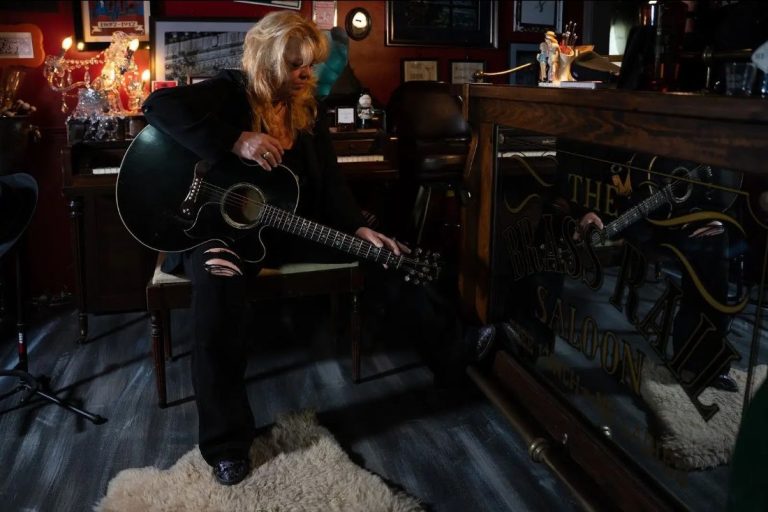
| Photo credit: Elaine Manusakis with EveryAngle |
| Leanne Binder’s voice was built twice. The first time in the halls of a conservatory, the second in the wreckage left behind. By seventeen, the Youngstown-raised singer had already spent years studying classical music, her extraordinary voice earning her a place in a university vocal performance program. But the demanding training nearly ended her career before it began. By the time she returned to her original teacher for summer lessons, she could barely speak. Her teacher warned that continuing on the same path could permanently cost Binder her voice. She left school and began the painstaking process of rebuilding it. “I remember looking at Mrs. Raridon, and she said, ‘I will not give up on you. You do not give up on you.’” The experience changed her relationship with singing. Opera had never quite been the destination she imagined anyway. She loved Led Zeppelin, Aerosmith, Queen, and the physical, unrestrained voices of rock and blues. She wanted to sing like Robert Plant, without being told that a woman should sound or behave a certain way. By nineteen, she was fronting bands, writing original songs, and handling her own bookings. As the only woman in many of those groups, she learned quickly that being accommodating could come at a cost. There were contracts to negotiate, musicians to manage, club owners who tried to withhold payment, and plenty of people willing to underestimate her. That independence would become both her greatest strength and an exhausting necessity. Over the years, Binder built an international career through sheer determination, personally contacting European radio stations and organizing her own overseas performances. Her efforts eventually brought appearances at Liverpool’s legendary Cavern Club and the Great British Rhythm & Blues Festival, along with a growing network of international supporters. Back home, she weathered near-miss record deals, personal upheavals, and periods when making music barely paid the bills. Through it all, she continued writing, recording, and performing, eventually opening a vocal coaching studio to support herself and help other singers navigate the challenges she had experienced firsthand. An important turning point came when Binder connected with Grammy-winning producer Lee J. Turner in Nashville. Their collaboration began almost by accident, when she traveled to record a Christmas song she had written for her late father. The two discovered an immediate musical understanding that would grow into an ongoing creative partnership. “He gets what I’m doing,” she says. “He understands the soul and the blues and the rock part of who I am.” Together, they made 2025’s I Got Something to Say, an independent release that gained substantial radio traction, particularly in Austin, where Binder’s combination of Southern rock, blues, and Americana found an enthusiastic audience. Encouraged by longtime supporters, including radio personality Cornel Bogdan, she began to consider what might happen if she invested everything she could into the next record. She had spent years doing much of the work herself, once personally emailing some 500 radio stations in search of airplay. Now she was saving money from performances and voice lessons, assembling a team, and making a decision that felt both exhilarating and frightening. “I’m not 25, 35 years old,” she says. “I should be thinking about retirement and that kind of stuff.” Instead, she decided to take another swing. |








+ There are no comments
Add yours