Review By Halina Wegner
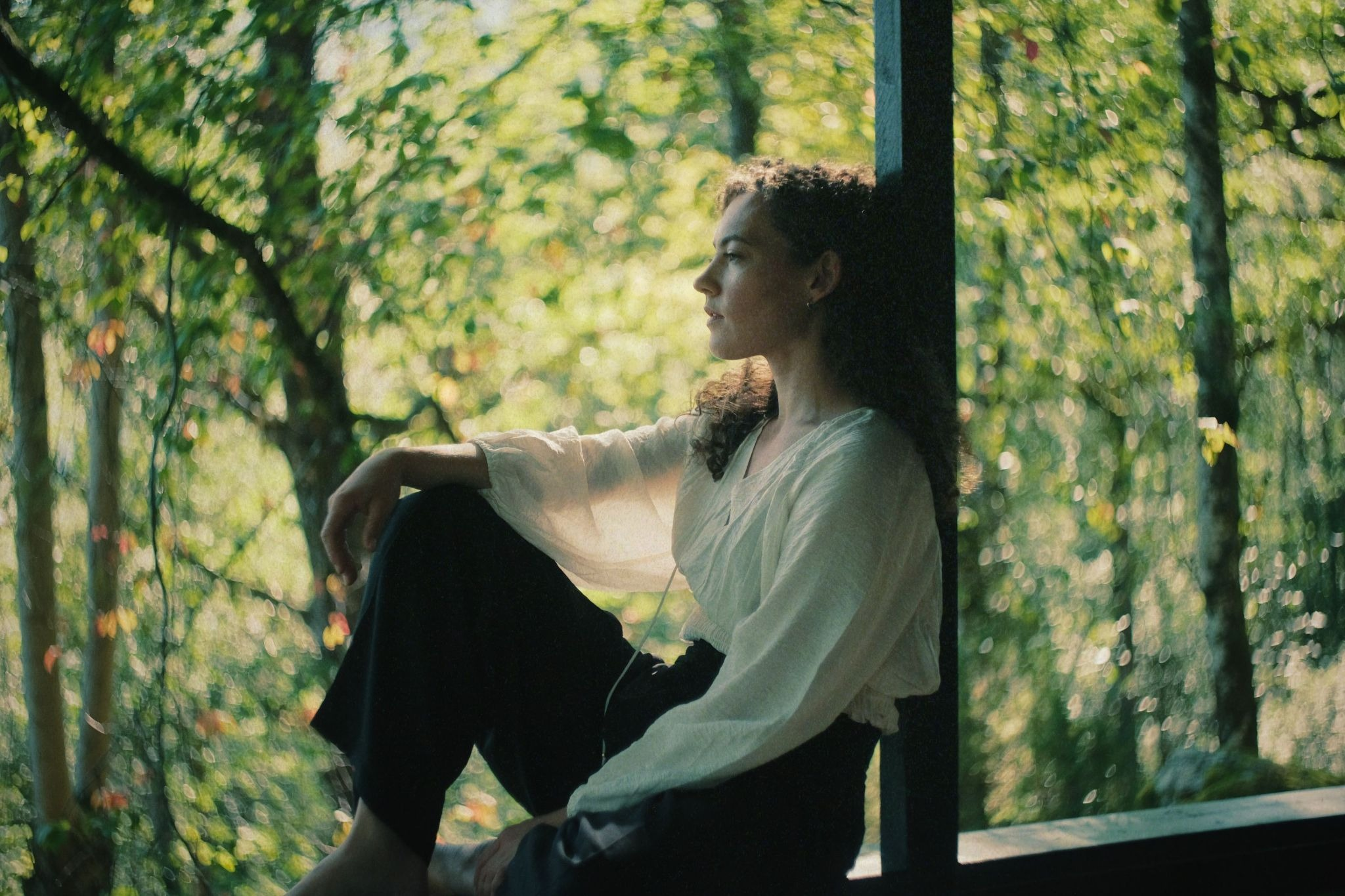
There is something beautifully rare about an artist who creates entirely on their own terms. In an era where algorithms, trends, and commercial pressures often dictate the direction of modern music, Dutch singer-songwriter Celine Cairo continues to follow her own creative compass. With her third studio album Panacea, released on 18th June, Cairo delivers a deeply personal and emotionally resonant collection of songs that feels less like an album and more like an intimate conversation between artist and listener. Recorded over nearly two years alongside partner and co-producer Benjamin Rheinländer, Panacea is an album born from patience, reflection, and self-discovery. The title itself refers to a cure-all remedy, yet the album’s central message is that perhaps there is no magical solution to life’s struggles. Instead, healing comes through acceptance, growth, and learning to live with uncertainty.
From the opening title track, Panacea, Cairo immediately establishes the record’s emotional depth. Built around a warm Wurlitzer piano and enhanced by the stunning string arrangements of India Bourne, the song feels both fragile and empowering. It is a gentle reminder that self-acceptance can often be more powerful than endlessly searching for perfection. The short Interlude that follows acts as a reflective pause before leading into Cycles, one of the album’s most captivating moments. The song’s haunting atmosphere and thoughtful lyricism explore recurring patterns in life and the peace that can be found when we stop fighting them.
Woman arrives next and stands as one of the album’s emotional centrepieces. Driven by sweeping strings and a slow-burning arrangement, Cairo delivers a heartfelt reflection on modern womanhood. The inspiration drawn from her 90-year-old grandmother adds an extra layer of sincerity, making the song feel both deeply personal and universally relatable. It is elegant, graceful, and utterly moving.
The album’s focus track, Feel, shifts the mood slightly with its downtempo alternative-pop sound. Echoing elements of 90s dream-pop and atmospheric electronica, it offers one of the record’s most accessible melodies while retaining the introspective qualities that define the album. The production here is exceptional, allowing every element room to breathe while Cairo’s delicate vocal performance remains front and centre.
Paris is a beautiful exercise in restraint. Originating from a poem written after a whirlwind trip to the French capital, the song captures feelings of uncertainty, disconnection, and fleeting human connection. There is a cinematic quality to its storytelling that draws the listener into every line.
The piano-led The Great Divide examines the complexities of relationships and personal accountability with remarkable maturity. Rather than assigning blame, Cairo explores the difficult process of recognising one’s own role in conflict. It is a thoughtful and intelligent piece of songwriting that showcases her lyrical strengths.
One of the album’s most surprising moments arrives with Vertigo. Its darker, late-night atmosphere introduces a subtle dance-pop energy while maintaining the emotional honesty that runs throughout the record. The song’s exploration of vulnerability and helplessness is delivered through one of the album’s most infectious arrangements.
Meanwhile, I Am I embraces a nostalgic sonic palette inspired by early electronic influences. The synthetic strings and 90s-inspired piano textures create a fascinating contrast to the organic instrumentation heard elsewhere. The result is a song that feels simultaneously retro and contemporary, capturing a sense of possibility and self-realisation.
Following the brief Coral Skies Interlude, Cairo presents the album’s sole outright love song. Coral Skies avoids sentimentality in favour of authenticity, pairing heartfelt lyrics with acoustic guitars and shimmering 80s-inspired synth textures. The melancholic beauty of the arrangement makes it one of the record’s standout tracks.
Closing track Swallows serves as the perfect conclusion. Built around themes of hope, change, and resilience, the song gradually unfolds into a powerful statement of acceptance. The symbolism of the swallow as a sign that land is near provides a fitting metaphor for the album’s journey. After exploring uncertainty, struggle, and self-reflection, Cairo leaves listeners with a sense of comfort and optimism.
Throughout Panacea, Celine Cairo demonstrates why she has quietly become one of Europe’s most compelling independent artists. Every song feels carefully crafted, emotionally honest, and artistically fearless. The album never chases trends or easy answers. Instead, it embraces life’s complexities and finds beauty within them.
Panacea is not simply an album about healing; it is an album about learning that healing is an ongoing process. Rich with atmosphere, elegant songwriting, and heartfelt performances, this is Celine Cairo’s most accomplished work to date and a strong contender for one of the year’s finest singer-songwriter releases.















+ There are no comments
Add yours