
Review and photos By Ali Burman
There are few British songwriters whose music can transport an audience back to a particular time and place quite like Richard Ashcroft. On Thursday 27 August, the former Verve frontman brought his unmistakable voice and a career’s worth of anthems to Castle Park, Colchester, as part of the Colchester Castle Summer Series – and delivered an evening that proved his songs have lost none of their emotional power.

Ashcroft opened the evening in deceptively understated fashion. Walking onto the stage with nothing more than an acoustic guitar, he stood alone in front of the Castle Park crowd and began “C’mon People (We’re Making It Now)” entirely by himself. For those opening moments, there was just Ashcroft, his guitar and thousands of expectant faces watching on.
Then, as the song gathered momentum, the band suddenly burst into life behind him.
It was a brilliantly judged opening. The transition from intimate acoustic performance to full-blown rock arrangement transformed the atmosphere almost instantly, and the message was clear: this wasn’t going to be a night of Ashcroft simply going through the motions. From the very first song, he was in command.

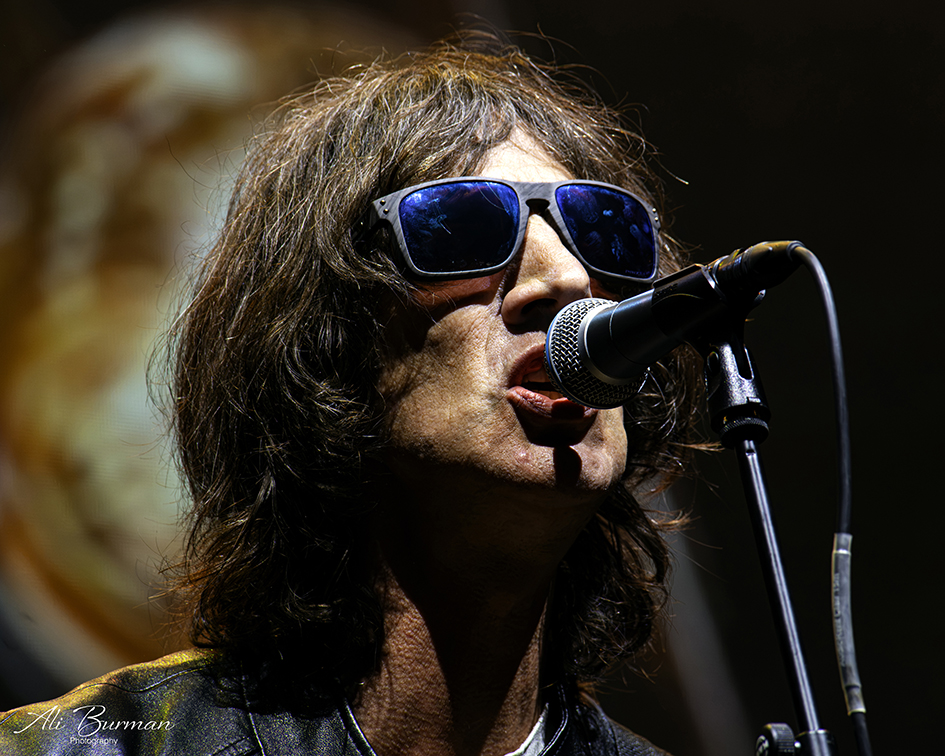
With Castle Park providing a spectacular open-air setting, the stage was set for a celebration of one of British rock’s most distinctive voices. Ashcroft arrived with an impressive back catalogue to draw upon, combining his solo work with the songs that made The Verve one of the defining bands of the Britpop era. The result was a set that constantly shifted between nostalgia and the present day without ever feeling like a greatest-hits exercise.
“Weeping Willow” followed, one of The Verve’s most atmospheric tracks. Hearing it performed in the open air gave the song a different dimension, with the crowd singing along to a piece of music that has remained hugely influential since its original release.

Ashcroft then turned the spotlight towards his solo career with “Break the Night With Colour” and “Music Is Power”. The latter was dedicated to Dolly Parton, adding a personal touch to a song that has always carried an uplifting message.
The set continued with “A Song for the Lovers”, one of Ashcroft’s most recognisable solo hits. Its combination of infectious melody and sweeping production made it a natural crowd-pleaser, with voices joining Ashcroft from all corners of Castle Park.

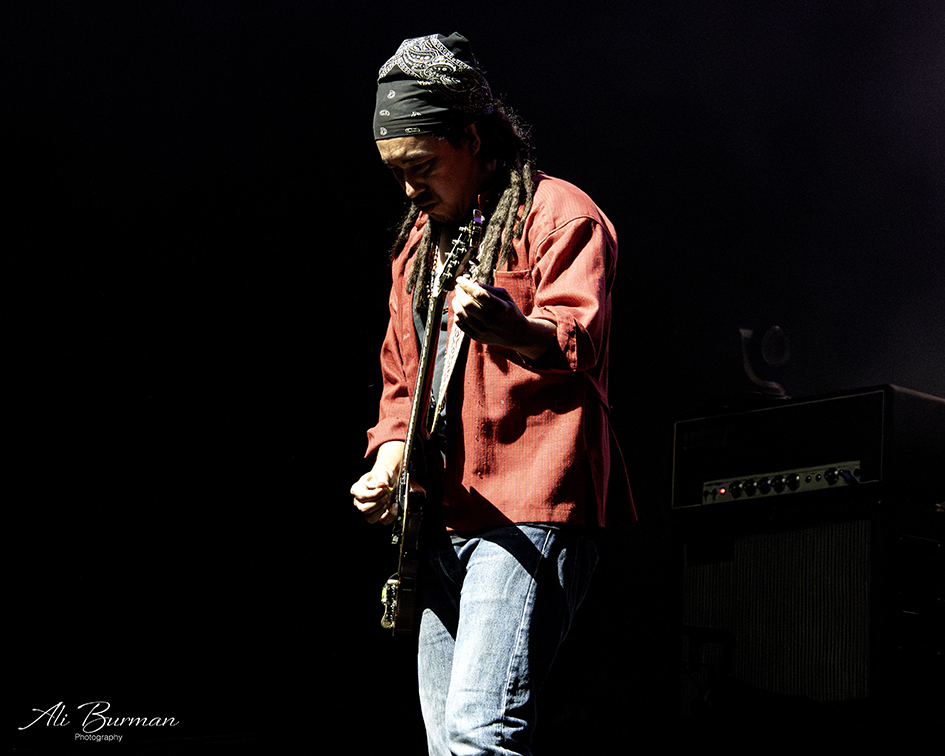
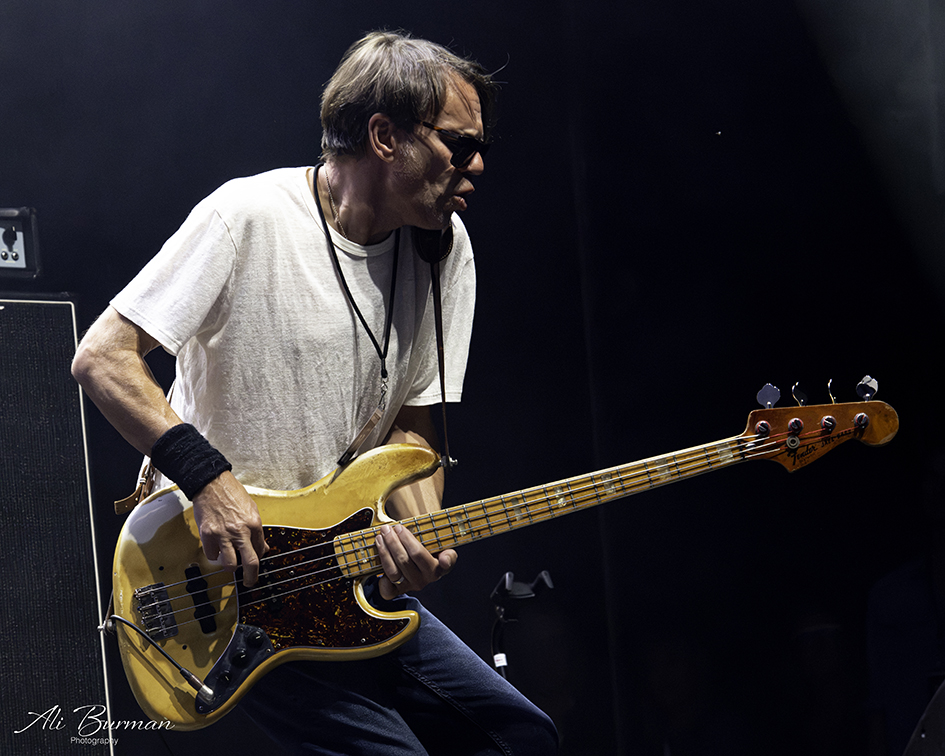
But as enjoyable as the solo material was, there was an unmistakable sense that the evening was building towards the songs that had defined The Verve.
“Space and Time” began that transition, followed by “History”, a song that remains as poignant now as it was when first released. Ashcroft’s ability to deliver these songs without making them feel like museum pieces was one of the evening’s greatest strengths. These weren’t simply recreations of recordings from decades ago; they felt alive, immediate and emotionally relevant.
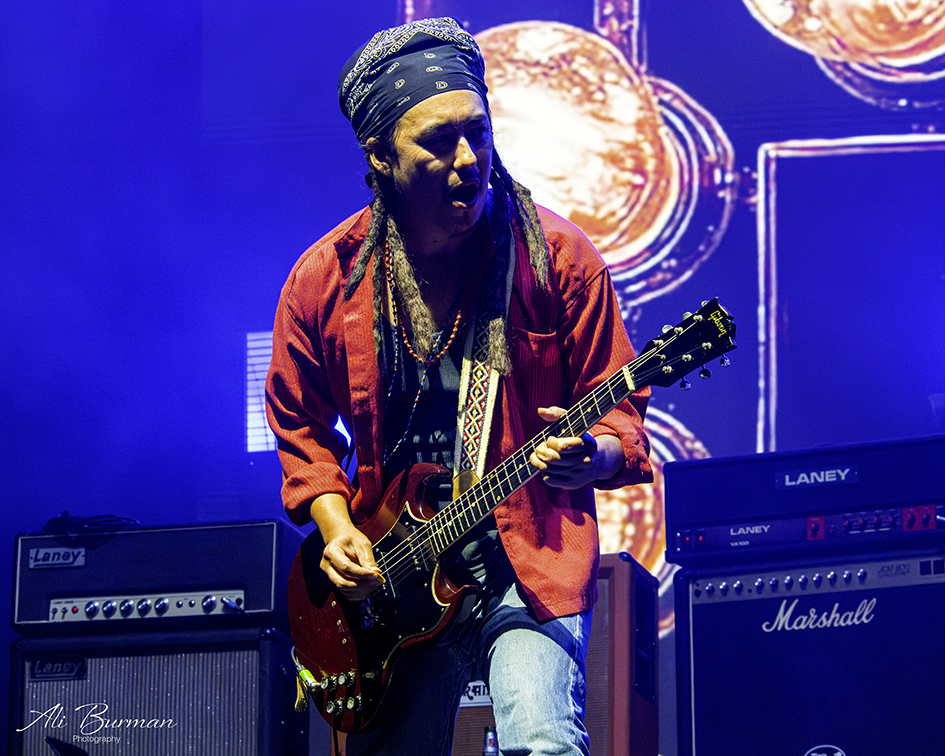
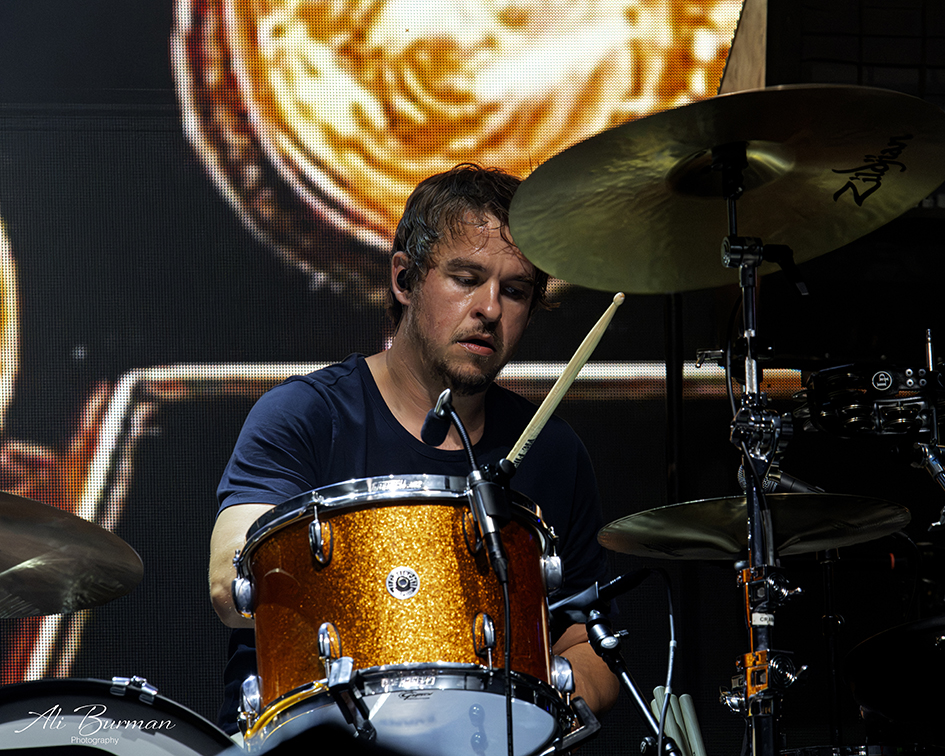
Then came “The Drugs Don’t Work.”
Few songs in the British rock canon have the ability to silence a large outdoor crowd quite so effectively. As Ashcroft delivered its opening lines, the atmosphere changed. Conversations stopped, voices softened and thousands of people simply listened. It was one of those rare concert moments when the size of the audience seems to disappear and a song suddenly feels intensely personal.
“Lucky Man” followed, bringing the mood back towards celebration. The crowd responded instantly, singing along to every word. Ashcroft’s voice remained the focal point throughout, carrying the familiar melodies with the authority of someone who has spent decades performing them.

By the time “Sonnet” arrived, the evening had become a communal celebration of The Verve’s legacy. The song’s beautiful simplicity has helped it endure, and hearing it sung back by a Castle Park audience was one of the night’s most memorable moments.
Then came the inevitable finale.
“Bitter Sweet Symphony” remains one of the defining songs of its generation. Its instantly recognisable string arrangement and hypnotic rhythm have become part of the cultural fabric, but hearing it performed live in Castle Park reinforced just how powerful the song remains.
As the opening notes rang out, the entire audience appeared to come together. Phones were raised, voices joined in, and for a few minutes Castle Park became one enormous choir. Ashcroft stood at the centre of it all, delivering the song that has followed him throughout his career.
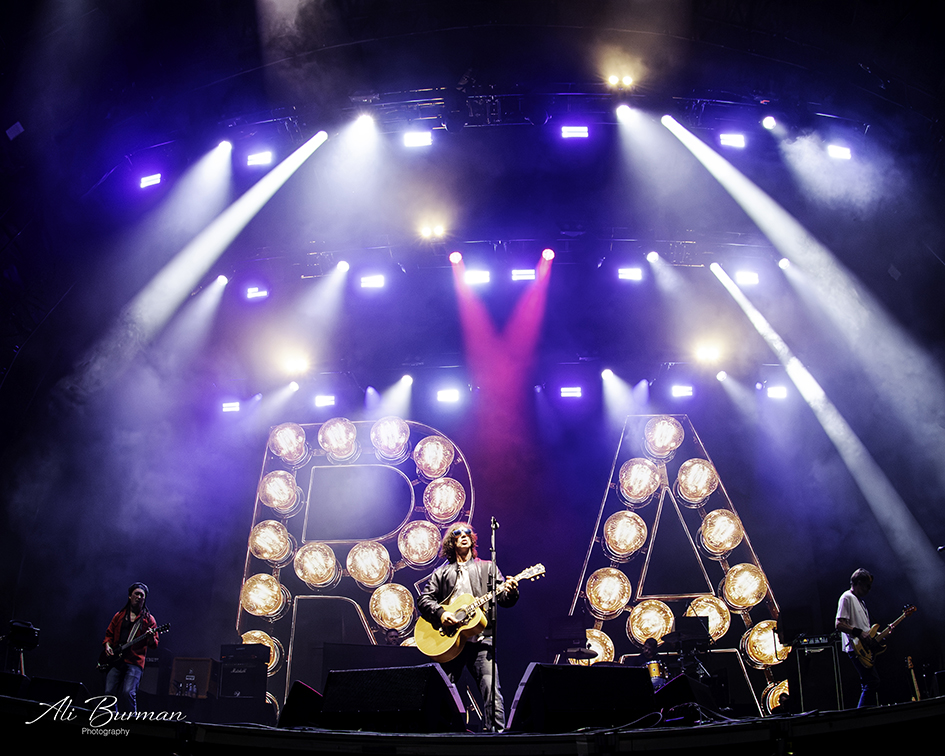
There was something fitting about ending the night this way. The evening had travelled from solo material through the emotional landscape of The Verve and ultimately arrived at the song that introduced Ashcroft’s music to millions around the world.
What made the performance particularly effective was the balance between nostalgia and vitality. Ashcroft could easily have relied entirely on The Verve’s back catalogue, but by incorporating solo favourites such as “Break the Night With Colour,” “Music Is Power” and “A Song for the Lovers,” he demonstrated that his career extends far beyond one band.
His stage presence was equally impressive. There is no need for elaborate theatrics when the songs themselves carry this much weight. Ashcroft’s confidence and unmistakable vocal character commanded the stage, while the audience did much of the rest.
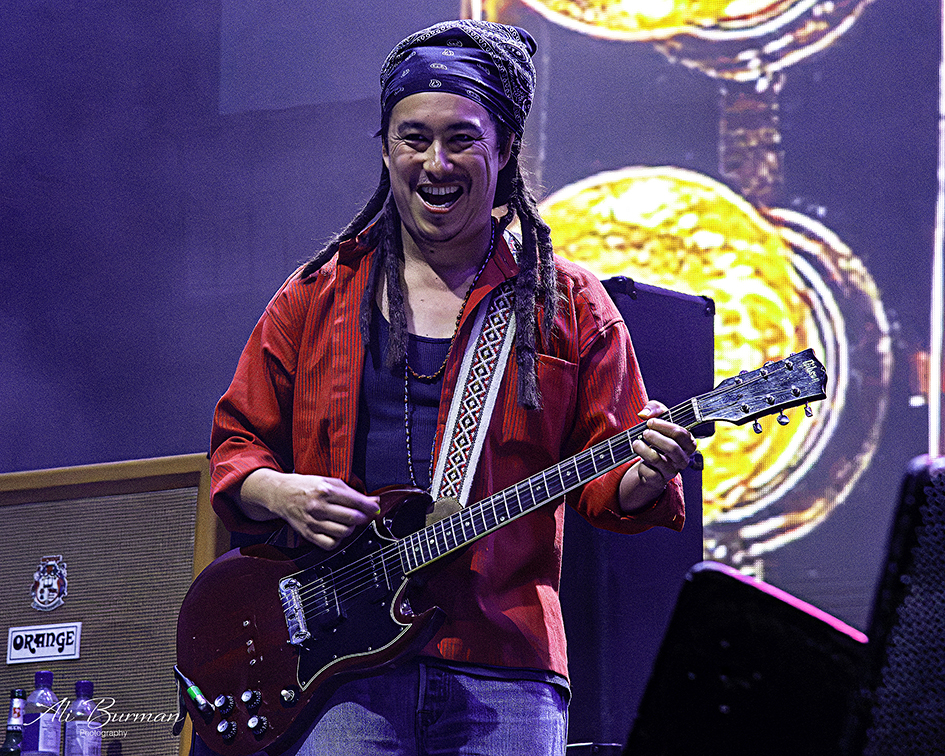
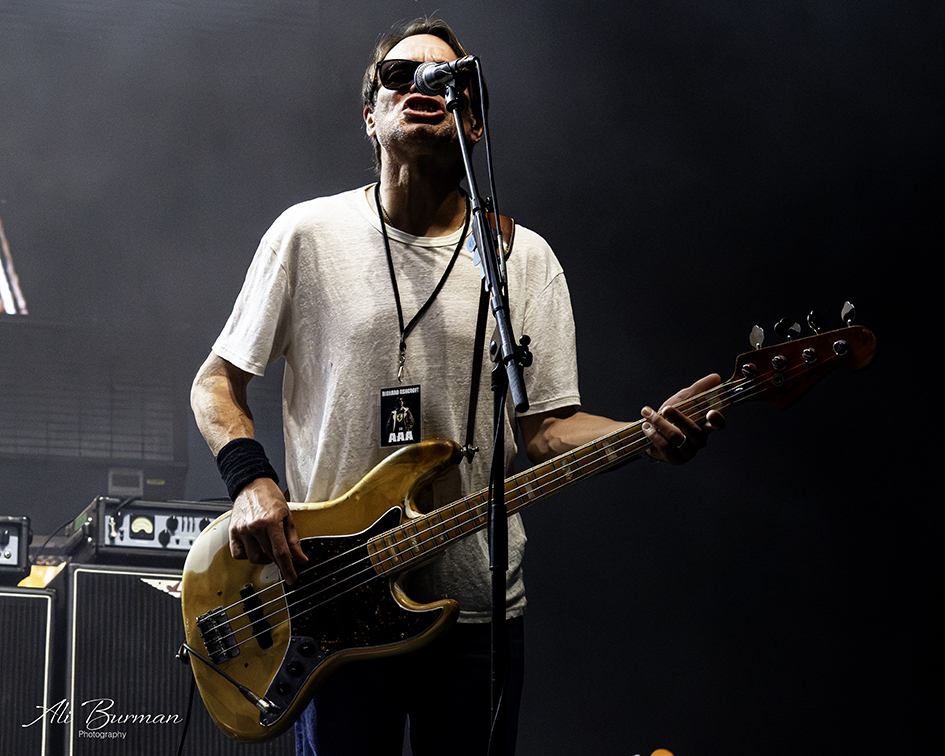
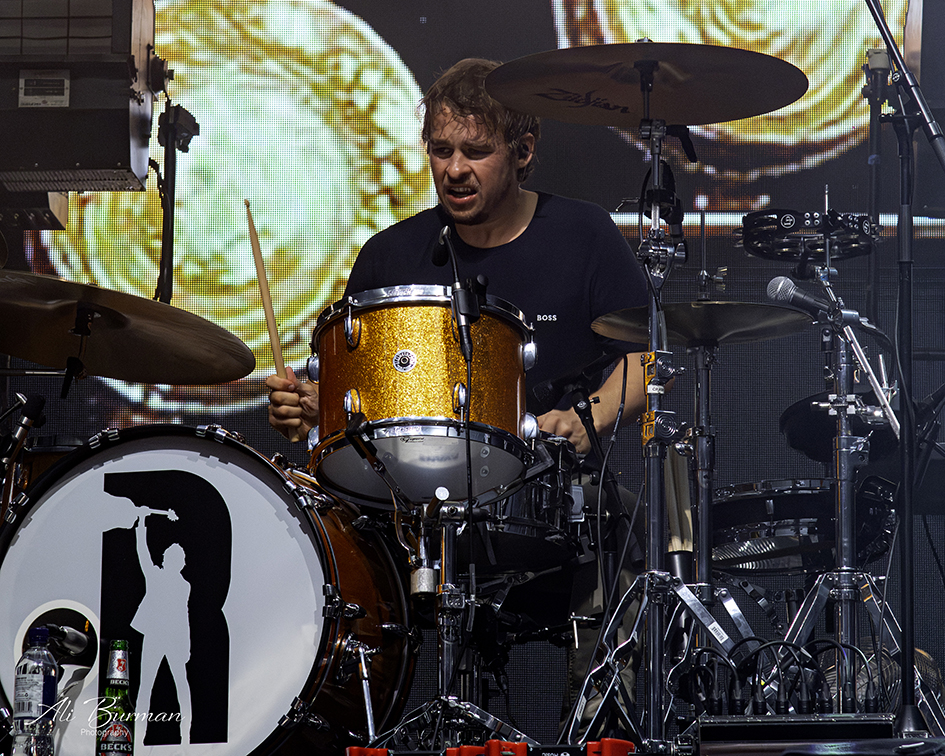
Castle Park also proved an ideal setting. The historic surroundings and open-air atmosphere gave the evening a sense of occasion, while the large crowd created the kind of communal atmosphere that these songs deserve.
For anyone who grew up with The Verve, it was inevitably a nostalgic evening. For younger members of the audience, however, there was an opportunity to experience these songs in a live setting and understand why they have endured for so long.
Richard Ashcroft didn’t simply revisit his past in Colchester. He reminded everyone why those songs mattered in the first place.

From the quiet opening of “C’mon People” to the euphoric finale of “Bitter Sweet Symphony,” this was a set built around songs of hope, heartbreak, memory and redemption – delivered by the man who helped create them.
And as the final notes of “Bitter Sweet Symphony” faded into the Colchester night, there was a definite feeling that the audience could happily have stayed for another hour.
Verdict: 9/10
A career-spanning celebration of one of Britain’s most distinctive voices – emotional, anthemic and utterly captivating from beginning to end.







+ There are no comments
Add yours