
Review and Images by Dave Martin
Download Festival 2025: Saturday’s Storm Brews Beneath the Surface
By Jace Media Music
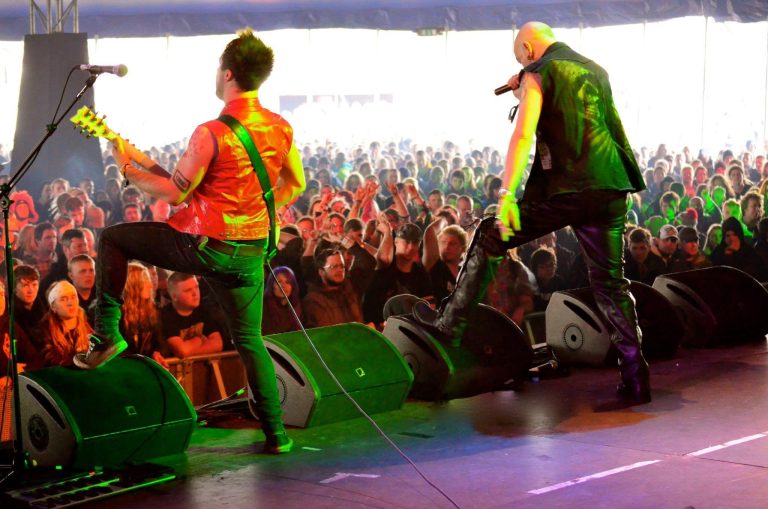
After Friday’s euphoric mayhem—the surreal mix of sunburnt ghouls, punk rock icons, and Green Day’s historic headliner debut—Saturday at Download Festival 2025 began with a different kind of energy. Where Friday raged like a celebration decades in the making, Saturday simmered with anticipation, bursting with moments of brilliance hidden among the embers. The crowd was still thick, the sun still relentless, and the stages were alive—but there was a slow burn to the day that separated it from its louder, brasher predecessor.
If Friday was a relentless rollercoaster of legacy bands and genre-defining moments, Saturday made space for the wild cards, the cult favourites, the under-the-radar masters—and a headliner that continues to divide opinion while dragging the future of metal into the spotlight.
Guitar Gods and Desert Swagger: Afternoon on the Opus Stage
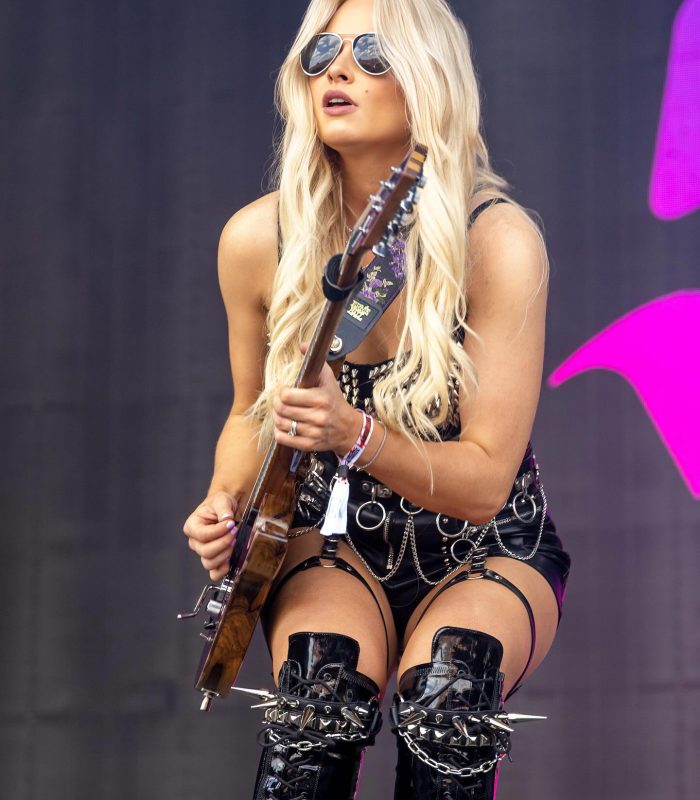
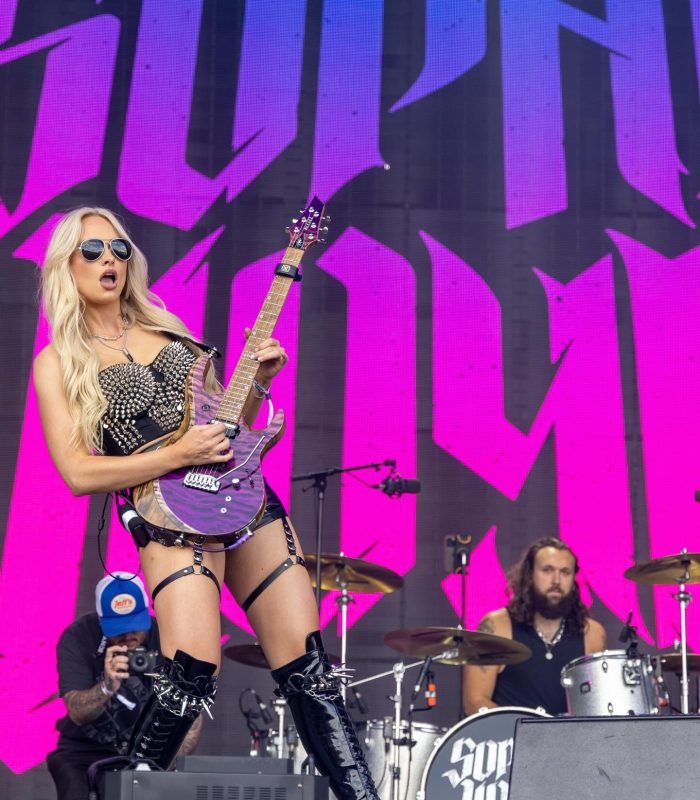
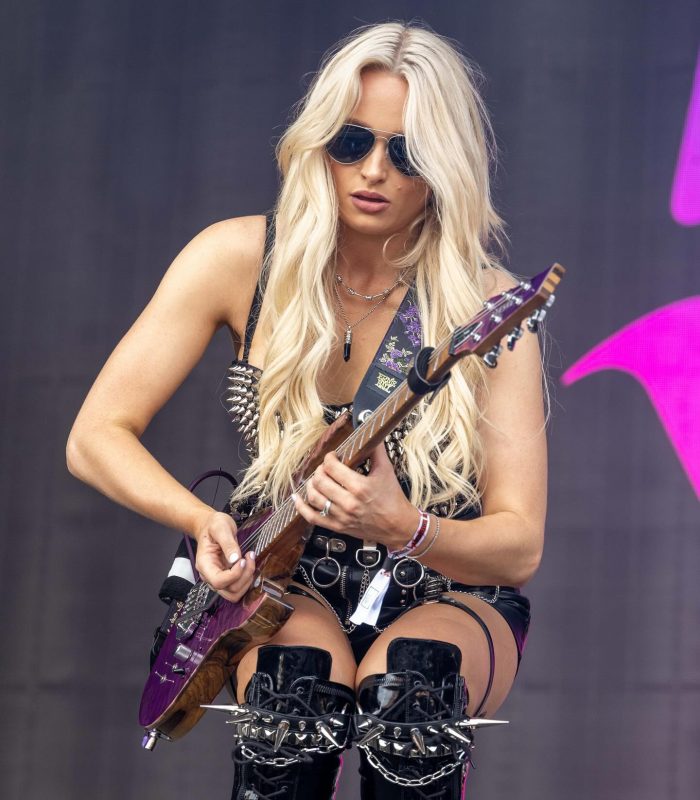
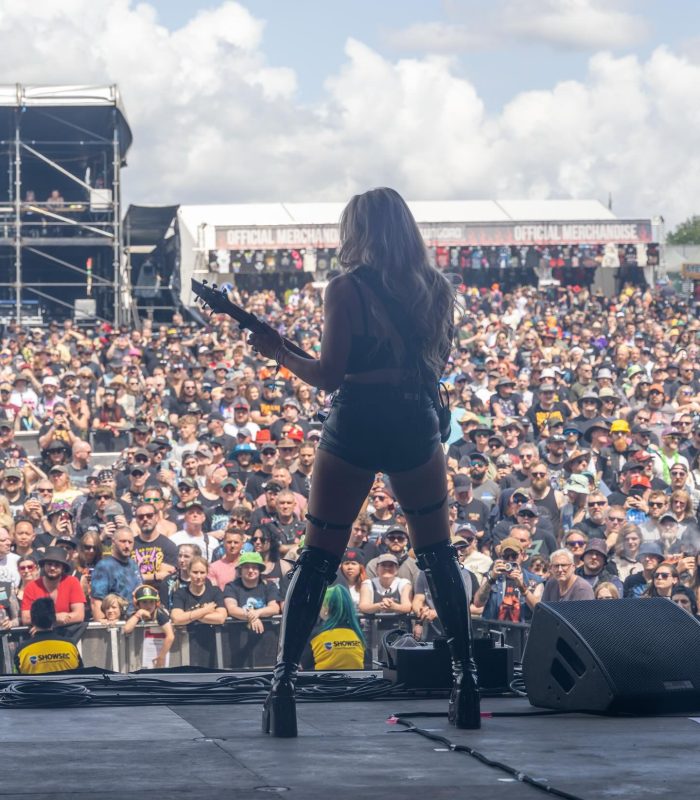
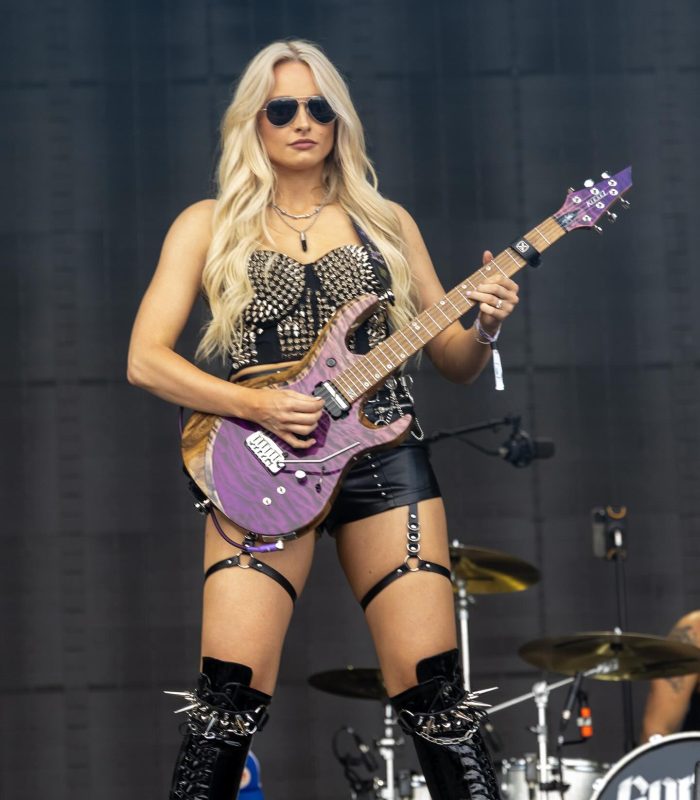
The day truly sparked to life when Sophie Lloyd took to the Opus Stage with her fret-melting brand of guitar wizardry. Known for her viral solos and technical prowess, Lloyd didn’t disappoint—delivering a blistering instrumental set that walked the line between metal theatrics and melodic storytelling. For many, this was the moment caffeine kicked in and the haze of the previous night began to lift. Lloyd played like a woman on a mission, offering a masterclass in virtuosity that had phones in the air and jaws on the ground.
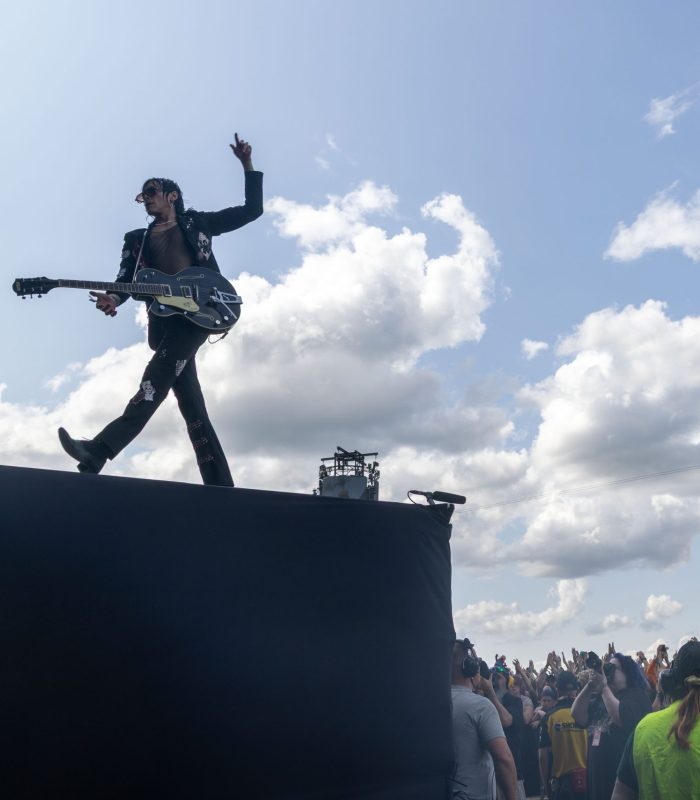
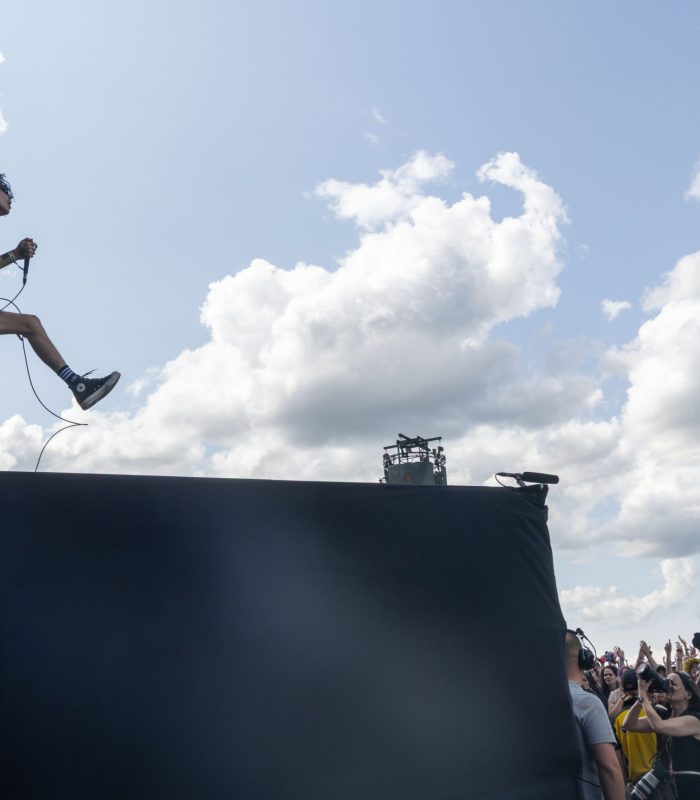
As the sun beat down, Palaye Royale took to the stage. Equal parts fashion, fury, and flamboyance, they brought a jolt of unpredictability to Saturday’s central programming. Their aesthetic—a blend of 70s glam decadence and modern alt chaos—turned heads, but it was their performance that sealed the deal. Visually stunning and musically tight, they whipped the crowd into a whirlwind of movement and reaction. From theatrical poses to chaotic instrumentals, Palaye Royale made the stage their playground, and the audience, their co-stars. For those craving something both bizarre and brilliant, this was one of Saturday’s true gems.
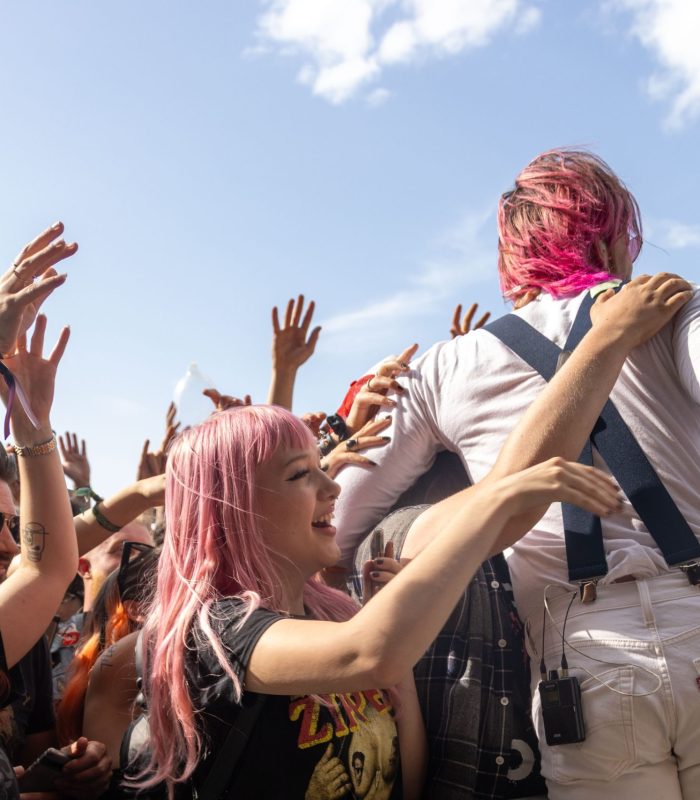
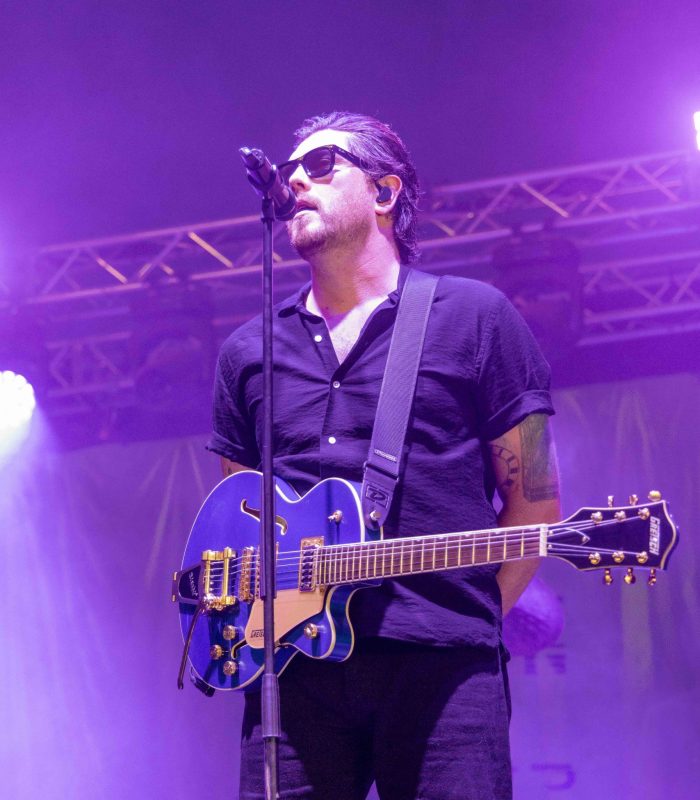
Later on the same stage, the vibe took a detour into sun-drenched swagger as Eagles of Death Metal stepped up with their infectious charm. Though the name might deceive newcomers, this was less about brutality and more about groove, smiles, and full-bodied audience involvement. The frontman, ever the charismatic showman, descended into the crowd during their cover of a certain disco-era classic, transforming the moment into a feel-good singalong that united metalheads, punks, and glam rockers alike. It was pure joy wrapped in sleaze and sweat, the kind of set that proves Download isn’t just about heaviness—it’s about heart.






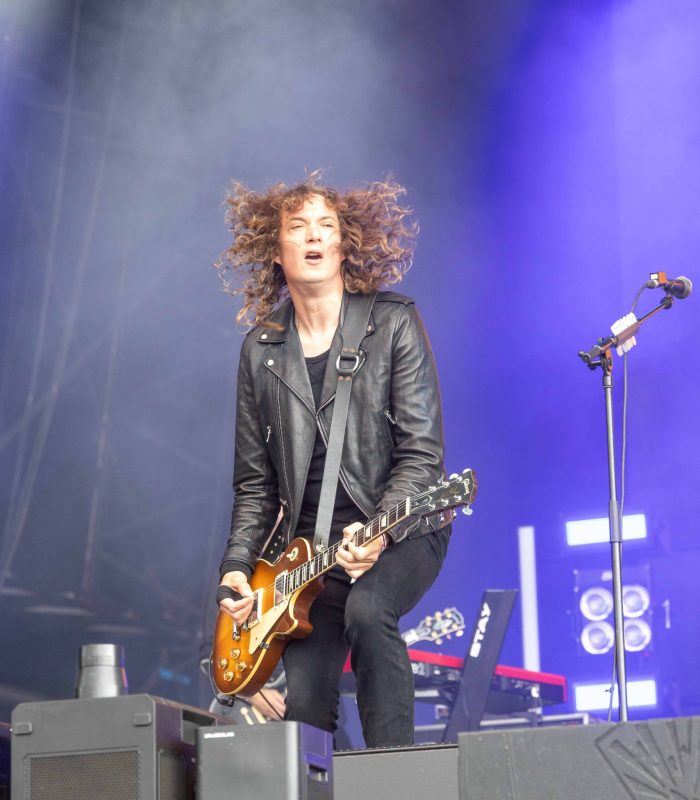


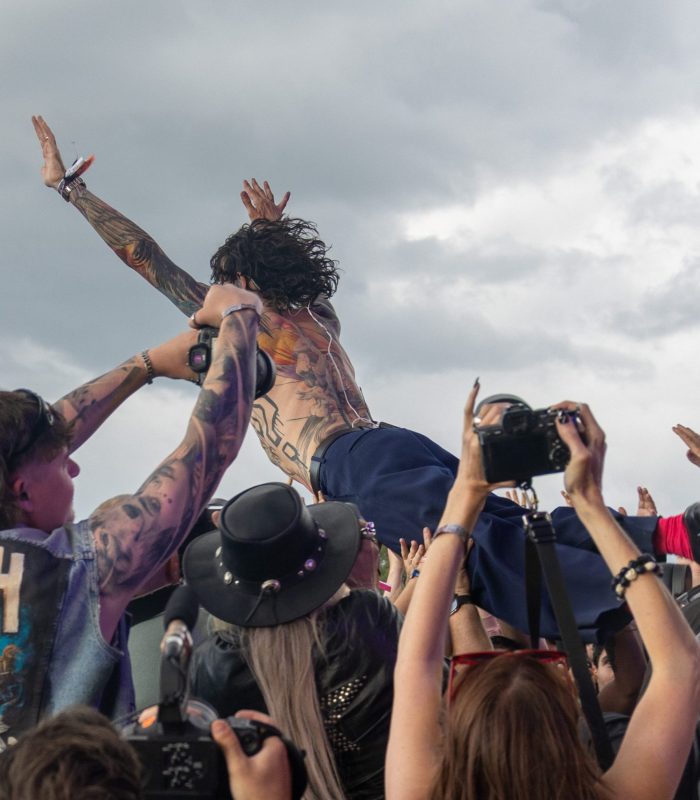
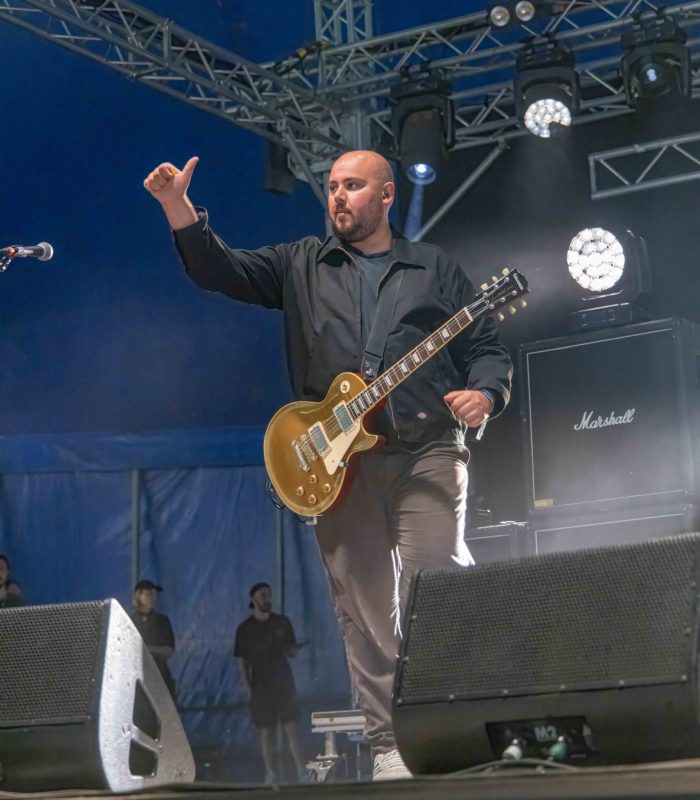


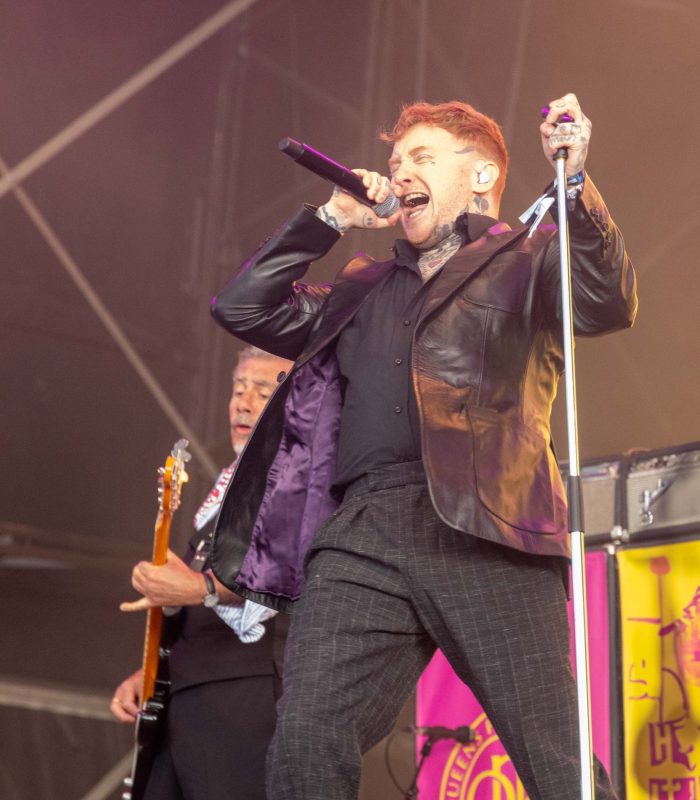


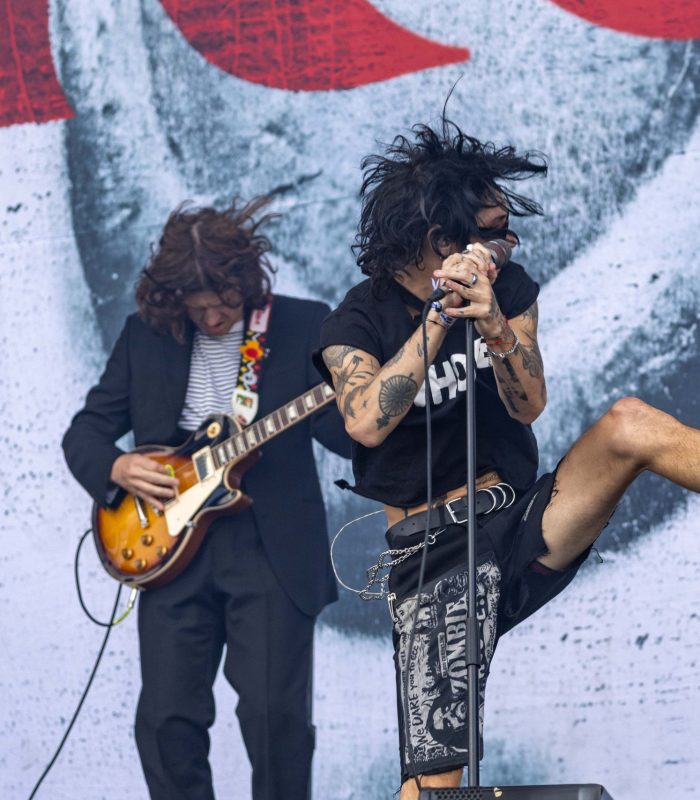


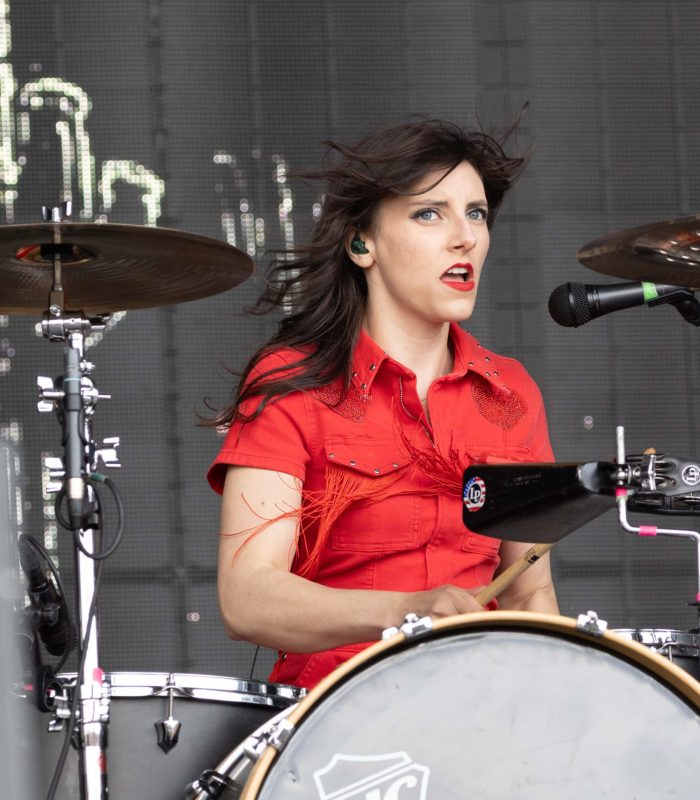
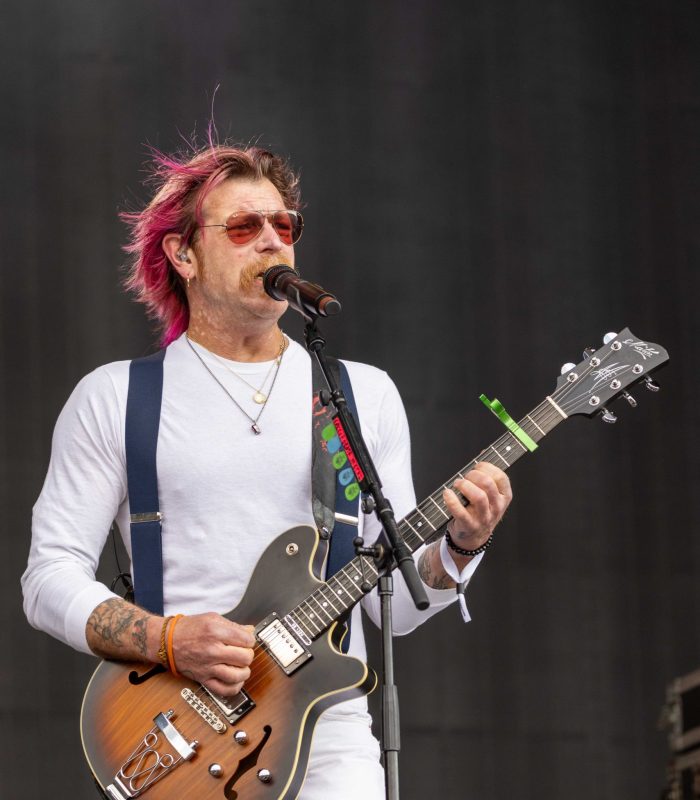
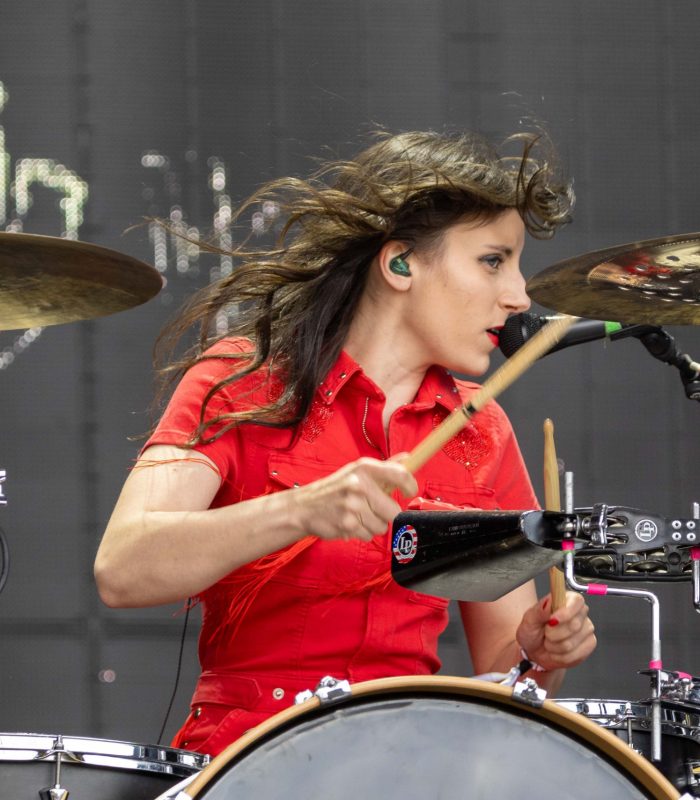


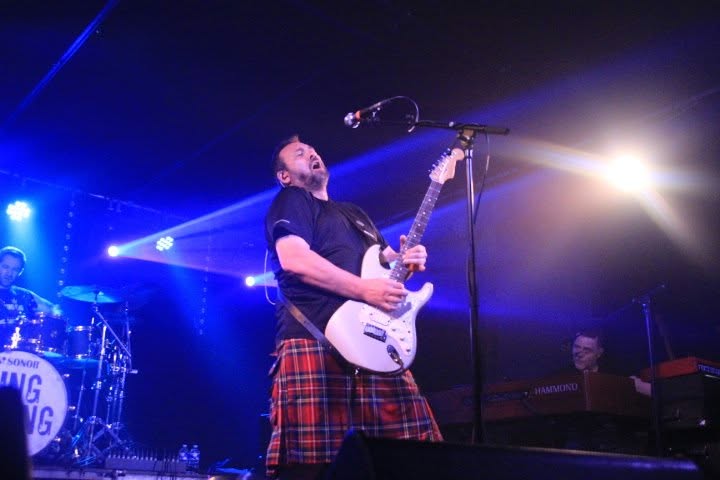
Over at the Avalanche Stage, Twin Atlantic offered up a set brimming with soaring choruses and stadium-ready hooks. Their slick Scottish alt-rock may have felt lighter in tone than some of the day’s heavier fare, but they filled the tent and then some, drawing in passersby with the magnetic pull of familiarity. Though their set didn’t burst into chaos, it settled into a steady, compelling groove—music to sway to rather than mosh.
But that atmosphere didn’t last long. When Mallory Knox took over, the energy shifted. The tent became a pulsing mass of bodies, swaying and screaming along with every lyric. This was a comeback moment and the fans were there to make it count. A constant stream of crowd surfers flew overhead like waves, each timed perfectly with the crest of the chorus. And when Lighthouse hit, it was pandemonium. Voices united, arms raised, the Avalanche Stage became a sea of catharsis—equal parts nostalgia and rediscovery.
Just when it seemed the day might coast gently into the night, The Darkness detonated any sense of restraint. With Justin Hawkins at the helm, there was no room for half-measures. He catapulted off the drum kit. He stage-dived. He hit those impossible falsettos with cheeky glee. The band tore through their glam-infused catalogue with bombast and brilliant self-awareness. Pyro lit up the stage, costume changes dazzled, and Hawkins’ interaction with the crowd had everyone howling with laughter as much as singing. It was less a rock show, more a theatrical event that reminded us why The Darkness have always been in a league of their own when it comes to showmanship.
Then came one of the day’s most debated moments: The Sex Pistols, or at least, a version of them, returned to the stage. Their legacy is complicated, their current line-up more so. Still, fans packed into the Opus area with curiosity and nostalgia at war. While there may have been a few raised eyebrows, there was no denying the passion on stage—or in the crowd. The performance had raw edges and moments of fire, and though debates around authenticity buzzed in the background, the sheer weight of history carried the set through.
And so, the moment arrived—the most anticipated and contentious set of the day. Sleep Token took the main stage to close out Saturday, and in doing so, set the tone for an entirely new era of Download headliners.
Shrouded in mystery, cloaked in anonymity, and devoid of traditional audience interaction, Sleep Token didn’t offer the crowd a rock show—they offered a ritual. Their performance was deliberate, atmospheric, and borderline sacred in tone. Tracks drifted between devastating heaviness and fragile beauty, while the visuals—dark, immersive, and carefully constructed—wrapped around the audience like a slow-moving spell.
But this wasn’t a set for everyone. Those already invested in the mythology and sound of Sleep Token were enraptured, drawn deep into a shared emotional journey. For others, especially those expecting the fire and fury of a more conventional headline act, the set felt distant—cold, even.
It was a bold choice by Download, handing the reins to a band that seems to defy every standard measure of what a festival headliner should be. And while Sleep Token didn’t deliver a universally celebrated performance, what they did achieve was something more subversive: a test of how far audiences are willing to stretch their definition of what metal, rock, and live performance can be in 2025.
Saturday at Download Festival 2025 will likely be remembered less for unrelenting chaos and more for the lines it dared to blur. It was a day where guitars screamed and crowds sang, but also where the festival leaned into its future and wrestled with its own evolution.
There were undeniably high points—Sophie Lloyd’s precision, Mallory Knox’s emotional reunion, The Darkness’ glorious madness, and Palaye Royale’s electric chaos. And there were questions, too—about legacy, identity, and what it means to headline the UK’s biggest rock festival in an age where boundaries no longer hold still.
In the end, Saturday was Download’s introspective day. It pulsed rather than roared. It made space for genre outliers and younger voices. And it offered a headliner that was more about connection than crowd control.
Was it as big as Friday? No. Was it quieter? At times. But was it important? Absolutely. Because in those quieter moments, in the decisions to push boundaries, Saturday made a case for the future. And that, in its own strange and shadowy way, might be the most punk thing Download has done in years.






+ There are no comments
Add yours